 AIImpish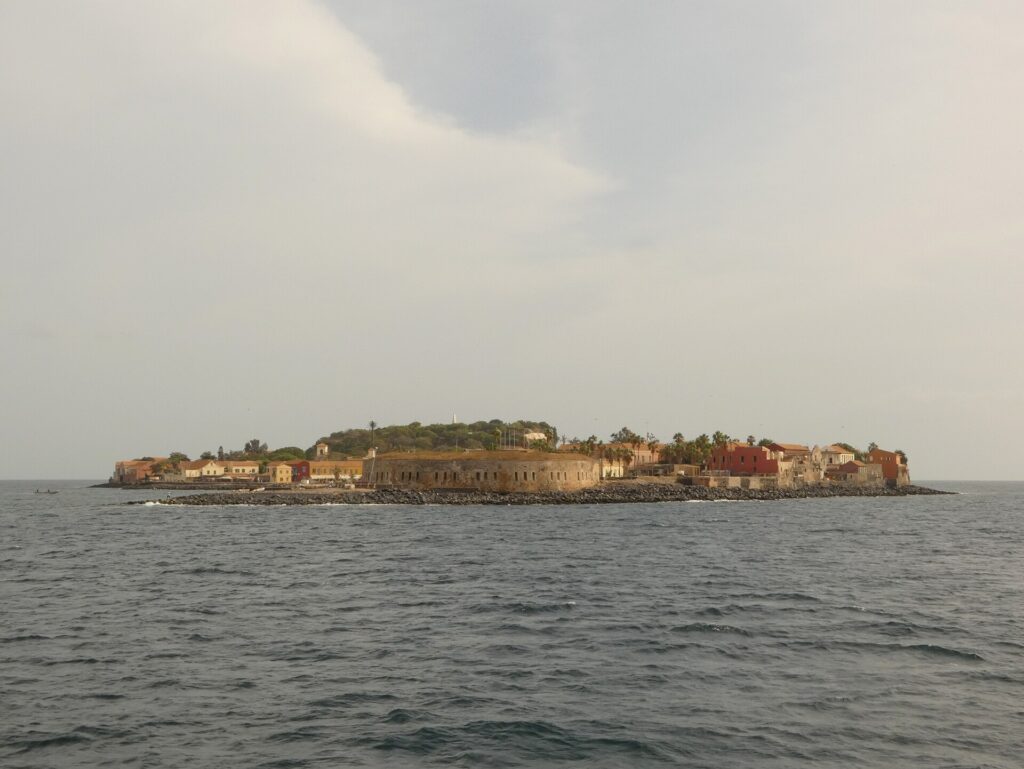
Lịch sử thế giới › Châu Phi · Africa › Sénégal
Ảnh bìa / Cover photo: Gregor Rom · Wikimedia Commons · CC BY-SA 4.0
Tóm tắt · In brief
Từ các vương quốc Wolof và Tekrur đến đảo Gorée, biểu tượng ký ức về buôn bán nô lệ, Sénégal là quê hương của nhà thơ Léopold Sédar Senghor và là một trong những nền dân chủ ổn định hiếm hoi chưa từng trải qua đảo chính ở Tây Phi.
From the Wolof and Tekrur kingdoms to Gorée Island, a symbol of the memory of the slave trade, Senegal is the homeland of poet Léopold Sédar Senghor and one of West Africa’s rare stable democracies never to have had a coup.
⏳ Dấu mốc · Key dates🇻🇳 Tiếng Việt🇬🇧 English📚 Nguồn · Sources
Dấu mốc chính · Key dates
- Thế kỷ 11Vương quốc Tekrur theo Hồi giáo / Tekrur embraces Islam
- 1659Pháp lập Saint-Louis / French found Saint-Louis
- 1960Độc lập, Senghor làm tổng thống / Independence under Senghor
- 2000Chuyển giao quyền lực hòa bình / Peaceful change of power
- 2024Bassirou Diomaye Faye đắc cử / Bassirou Diomaye Faye elected
Lịch sử Sénégal
Tekrur và Đế quốc Jolof
Dọc thung lũng sông Senegal, vương quốc Tekrur hình thành từ thiên niên kỷ 1 CN và nằm trong số những nhà nước Tây Phi đầu tiên tiếp nhận Hồi giáo vào thế kỷ 11. Từ thế kỷ 14, Đế quốc Jolof thống nhất các nhà nước Wolof như Cayor, Baol, Walo, trước khi tan rã thành các vương quốc riêng vào thế kỷ 16. Người Serer ở vùng Sine và Saloum giữ nhiều truyền thống riêng, còn các vòng đá Senegambia dọc sông Gambia cho thấy những nghi lễ chôn cất cổ xưa.
Gorée, Saint-Louis và thuộc địa Pháp
Người châu Âu lập các thương điếm từ thế kỷ 15–17; Pháp lập Saint-Louis năm 1659, và đảo Gorée trở thành trạm buôn bán, nay là nơi tưởng niệm quốc tế về buôn bán nô lệ xuyên Đại Tây Dương. Thế kỷ 19, thống đốc Louis Faidherbe mở rộng cuộc chinh phục, gặp sự kháng cự của Lat Dior và El Hadj Umar Tall. Dakar trở thành thủ đô của Tây Phi thuộc Pháp năm 1902. Cư dân bốn xã (Saint-Louis, Gorée, Rufisque, Dakar) có quyền công dân Pháp, và Blaise Diagne trở thành nghị sĩ châu Phi da đen đầu tiên tại Quốc hội Pháp năm 1914.
Độc lập và truyền thống dân chủ
Sau khi Liên bang Mali tan rã, Sénégal độc lập năm 1960 với Léopold Sédar Senghor, nhà thơ của phong trào Négritude, làm tổng thống. Ông tự nguyện rời chức năm 1980, và Abdou Diouf kế nhiệm. Năm 2000, Abdoulaye Wade thắng cử, đánh dấu cuộc chuyển giao hòa bình giữa hai phe; Macky Sall kế nhiệm năm 2012. Vùng Casamance chứng kiến cuộc xung đột ly khai kéo dài từ 1982. Năm 2024, sau khủng hoảng về việc hoãn bầu cử, Bassirou Diomaye Faye đắc cử tổng thống, tiếp tục truyền thống chuyển giao quyền lực qua lá phiếu.
History of Senegal
Tekrur and the Jolof Empire
Along the Senegal River valley the kingdom of Tekrur formed in the first millennium CE and was among the first West African states to embrace Islam, in the eleventh century. From the fourteenth century the Jolof Empire united Wolof states such as Cayor, Baol and Walo before breaking into separate kingdoms in the sixteenth. The Serer of Sine and Saloum kept many of their own traditions, while the Senegambian stone circles along the Gambia River attest to ancient burial rites.
Gorée, Saint-Louis and French rule
Europeans set up trading posts from the fifteenth to the seventeenth centuries; France founded Saint-Louis in 1659, and Gorée Island became a trading station, now an international place of remembrance of the transatlantic slave trade. In the nineteenth century Governor Louis Faidherbe extended the conquest, meeting resistance from Lat Dior and El Hadj Umar Tall. Dakar became capital of French West Africa in 1902. Residents of the Four Communes (Saint-Louis, Gorée, Rufisque, Dakar) held French citizenship, and Blaise Diagne became the first Black African deputy in the French parliament in 1914.
Independence and a democratic tradition
After the Mali Federation broke up, Senegal became independent in 1960 with Léopold Sédar Senghor, poet of the Négritude movement, as president. He stepped down voluntarily in 1980 and Abdou Diouf succeeded him. In 2000 Abdoulaye Wade won, marking a peaceful handover between rival camps; Macky Sall followed in 2012. The Casamance region saw a long separatist conflict from 1982. In 2024, after a crisis over a postponed election, Bassirou Diomaye Faye was elected president, continuing the tradition of transfers of power through the ballot box.
📚 Nguồn đối chiếu · Sources
Bài tổng quan chọn lọc do AIImpish biên soạn; với các vấn đề còn tranh luận, nên đọc thêm tư liệu gốc và nghiên cứu chuyên ngành. / A selective overview by AIImpish; consult primary records and specialist scholarship on contested questions.
Khám phá tiếp · Keep exploring
Đọc lịch sử các nước khác ở Châu Phi · Africa hoặc mở danh mục 195 quốc gia →