 AIImpish
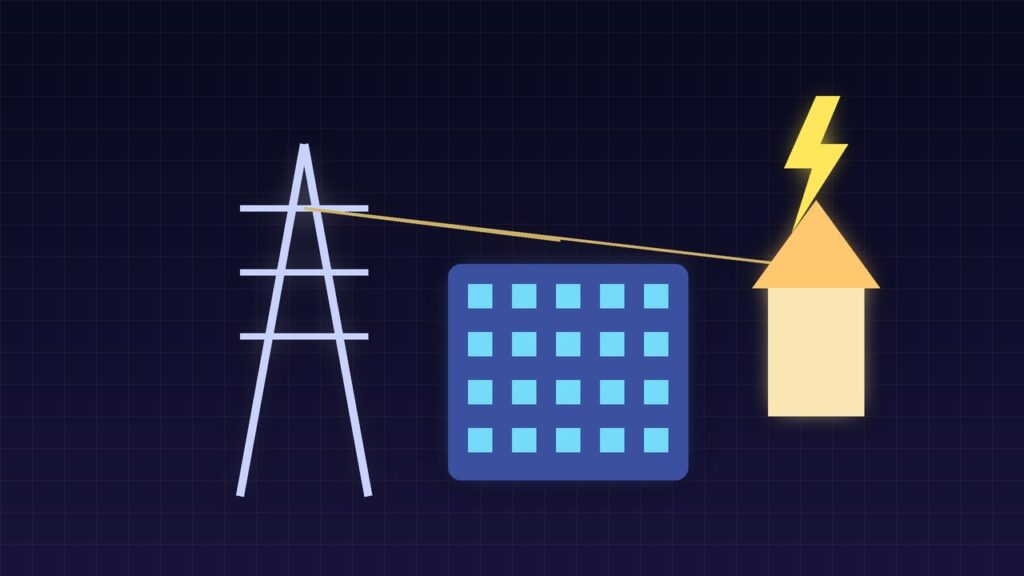
OpenAI launched the Grid Protectors Program on November 2. The idea: its future compute campuses will cut their electricity use when the power grid is under strain, such as during heat waves or cold snaps. The first pilot is a planned campus in Effingham County, Georgia.
Coffee summary
- FACT: Grid Protectors is a national program to make OpenAI’s future campuses reduce power demand when the grid is stressed.
- FACT: The Georgia campus is expected to need about 3,200 MW, and OpenAI agreed to up to 1,000 MW of flexible demand response under a 25-year agreement with Georgia Power.
- CLAIM: OpenAI says 1,000 MW equals the average demand of roughly 700,000 households.
- FACT: OpenAI says it will pay the full infrastructure and electric-service costs for the Georgia campus.
- FACT: Arrangements will differ by location, and OpenAI says it will share more commitments later.
What happened
AI data centers use huge amounts of power, and local communities worry about higher bills and blackouts. OpenAI’s answer is flexibility. Its campuses would use more power when the grid has room and less when demand peaks. Where possible, OpenAI says it will also supply power from on-site generation or storage, and use batteries to smooth changes in demand.
The Georgia deal was first announced in July. Georgia Power said then that the 1,000 MW of demand response is among the largest single-facility commitments in the U.S., and that it lets the utility build fewer new power plants.
Why it matters
Power is now one of the biggest limits on AI growth. OpenAI cites projections that U.S. data center capacity could exceed 100 gigawatts by 2030. A campus that can shed load on demand is easier for utilities and regulators to approve.
OPINION: This is as much about permission to build as about public service. Promising to pay its own costs and to step back during emergencies helps OpenAI win local approval for new campuses.
At a glance
| Item | Detail |
|---|---|
| Program | Grid Protectors (national) |
| First pilot | Effingham County, Georgia |
| Expected campus demand | About 3,200 MW |
| Flexible demand response | Up to 1,000 MW |
| Agreement length | 25 years (Georgia Power) |
| Other sites | Not yet named |
Who should care
- Residents near planned data centers worried about bills and outages.
- Utilities and regulators weighing large new loads.
- Anyone following AI costs, since energy shapes what AI services cost.
Limitations and open questions
- Still a plan. The Georgia campus is in development, so no demand response has run yet.
- Details missing. OpenAI has not said how often, how fast, or for how long it will cut power at future sites.
- Hard to check. Some terms of the Georgia agreement were reported as redacted.
- Compute trade-off. Cutting power means pausing work, and it is not clear which workloads will pause.
What to do next
- If you live near a planned campus, follow your state utility commission’s filings.
- Look for numbers: megawatts, response time, and hours per year.
- Compare with other labs, which face the same pressure to show they pay their way.
AIImpish Take
Flexible demand is a sensible idea, and 1,000 MW is a real number. But until the Georgia campus is running and the utility reports actual cuts, this is a promise, not a proven result.
Related on AIImpish
*Sources: OpenAI, Introducing the Grid Protectors Program; Georgia Power, Georgia Power to serve OpenAI project in Effingham County; The Verge, OpenAI pitches data center power plants.*