 AIImpish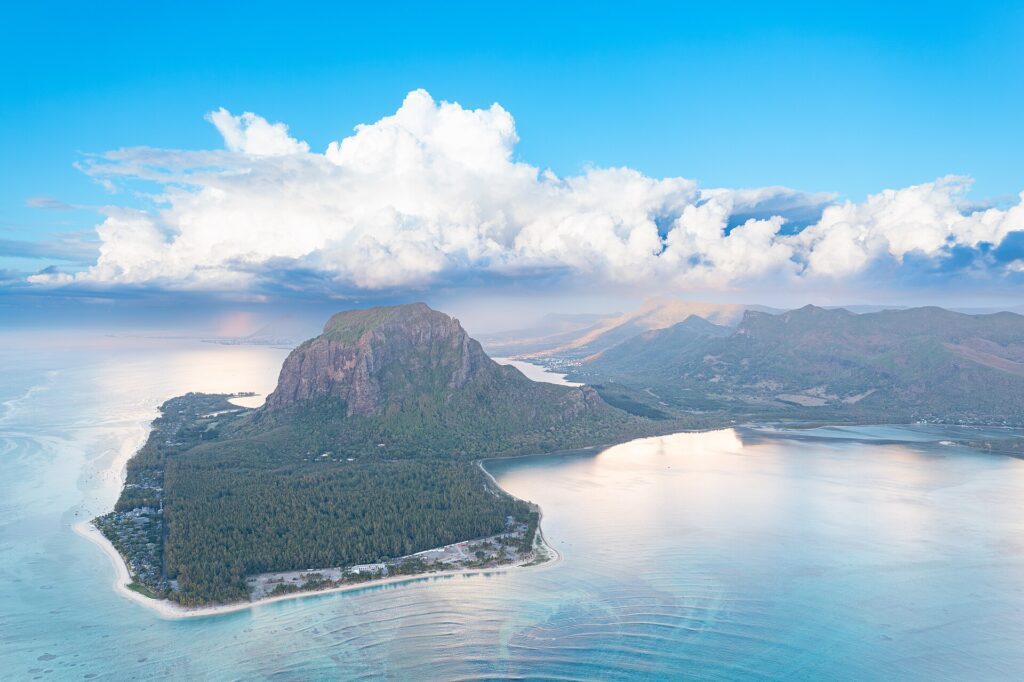
Lịch sử thế giới › Châu Phi · Africa › Mauritius
Ảnh bìa / Cover photo: "dronepicr" · Wikimedia Commons · CC BY 2.0
Tóm tắt · In brief
Không có cư dân cho đến khi người châu Âu đặt chân lên, Mauritius được định hình bởi thực dân Hà Lan, Pháp và Anh, bởi những người nô lệ và lao động khế ước, để trở thành một trong những nền dân chủ ổn định nhất châu Phi.
Uninhabited until Europeans arrived, Mauritius was shaped by Dutch, French and British colonisers and by enslaved people and indentured labourers brought from Africa and India, and it grew into one of Africa’s most stable democracies.
⏳ Dấu mốc · Key dates🇻🇳 Tiếng Việt🇬🇧 English📚 Nguồn · Sources
Dấu mốc chính · Key dates
- 1598Người Hà Lan đặt tên Mauritius / Dutch name the island Mauritius
- 1715Pháp chiếm đảo / France claims the island
- 1810Anh chiếm đảo / Britain captures the island
- 1835Bãi bỏ chế độ nô lệ / Slavery abolished
- 1968Độc lập / Independence
Lịch sử Mauritius
Hòn đảo của chim dodo
Các thủy thủ Ả Rập có lẽ đã biết đến hòn đảo từ thời trung đại, và người Bồ Đào Nha ghé qua đầu thế kỷ 16, nhưng không ai định cư lâu dài. Năm 1598, một hạm đội Hà Lan cập bến và đặt tên đảo theo hoàng tử Maurice xứ Nassau. Người Hà Lan lập khu định cư từ năm 1638, khai thác gỗ mun và đưa nô lệ cùng mía đường đến. Loài chim dodo không biết bay, vốn chỉ sống ở đây, bị săn bắt và bị các loài vật du nhập tiêu diệt, tuyệt chủng vào cuối thế kỷ 17. Người Hà Lan rời bỏ đảo năm 1710.
Île de France và thời thuộc Anh
Pháp chiếm hòn đảo năm 1715 và đặt tên Île de France. Dưới thời thống đốc Mahé de La Bourdonnais, Port Louis trở thành cảng hải quân và thương mại quan trọng trên Ấn Độ Dương, còn các đồn điền mía dựa vào sức lao động của những người nô lệ từ Madagascar và châu Phi. Núi Le Morne, nơi những người nô lệ bỏ trốn ẩn náu, nay là Di sản Thế giới. Anh chiếm đảo năm 1810 và bãi bỏ chế độ nô lệ năm 1835. Sau đó, hàng trăm nghìn lao động khế ước từ Ấn Độ đổ bộ qua bến Aapravasi Ghat, tạo nên cộng đồng chiếm đa số dân số ngày nay.
Độc lập và câu chuyện thành công
Mauritius độc lập ngày 12 tháng 3 năm 1968 dưới thủ tướng Seewoosagur Ramgoolam và trở thành nước cộng hòa năm 1992. Từ nền kinh tế phụ thuộc vào đường, đất nước đa dạng hóa sang dệt may, du lịch và dịch vụ tài chính, đồng thời duy trì bầu cử cạnh tranh thường xuyên và chuyển giao quyền lực hòa bình. Một vấn đề kéo dài là quần đảo Chagos, bị Anh tách ra trước khi Mauritius độc lập và người dân bị di dời để xây căn cứ Diego Garcia. Năm 2019, Tòa án Công lý Quốc tế đưa ra ý kiến tư vấn ủng hộ Mauritius, và năm 2025 hai nước ký hiệp ước chuyển giao chủ quyền, trong đó Anh thuê lại căn cứ.
History of Mauritius
Island of the dodo
Arab sailors probably knew the island in medieval times, and the Portuguese called there in the early sixteenth century, but no one settled permanently. In 1598 a Dutch fleet landed and named the island after Prince Maurice of Nassau. The Dutch established a settlement from 1638, cutting ebony and bringing in enslaved people and sugar cane. The flightless dodo, found nowhere else, was hunted and wiped out by introduced animals, becoming extinct by the late seventeenth century. The Dutch abandoned the island in 1710.
Île de France and British rule
France claimed the island in 1715 and named it Île de France. Under Governor Mahé de La Bourdonnais, Port Louis became an important naval and trading port in the Indian Ocean, while sugar plantations relied on the labour of enslaved people from Madagascar and Africa. Le Morne mountain, where escaped slaves took refuge, is now a World Heritage Site. Britain captured the island in 1810 and abolished slavery in 1835. Hundreds of thousands of indentured labourers from India then landed at Aapravasi Ghat, forming the community that makes up the majority of the population today.
Independence and a success story
Mauritius became independent on 12 March 1968 under Prime Minister Seewoosagur Ramgoolam and a republic in 1992. From an economy dependent on sugar, the country diversified into textiles, tourism and financial services, while holding regular competitive elections and peaceful transfers of power. A long-running issue has been the Chagos Archipelago, detached by Britain before independence, its people removed to make way for the base on Diego Garcia. In 2019 the International Court of Justice issued an advisory opinion favouring Mauritius, and in 2025 the two countries signed a treaty transferring sovereignty, with Britain leasing back the base.
📚 Nguồn đối chiếu · Sources
Bài tổng quan chọn lọc do AIImpish biên soạn; với các vấn đề còn tranh luận, nên đọc thêm tư liệu gốc và nghiên cứu chuyên ngành. / A selective overview by AIImpish; consult primary records and specialist scholarship on contested questions.
Khám phá tiếp · Keep exploring
Đọc lịch sử các nước khác ở Châu Phi · Africa hoặc mở danh mục 195 quốc gia →


.jpg)