 AIImpish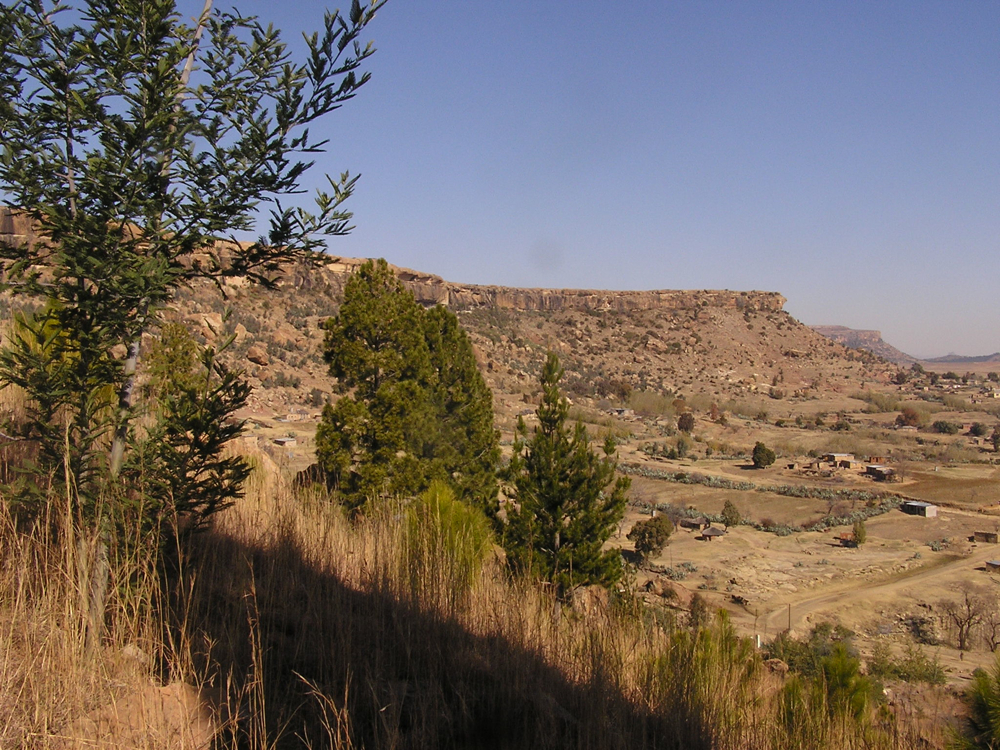
Lịch sử thế giới › Châu Phi · Africa › Lesotho
Ảnh bìa / Cover photo: Marduk · Wikimedia Commons · CC0
Tóm tắt · In brief
Là “vương quốc trên trời” hoàn toàn bị Nam Phi bao quanh, Lesotho ra đời từ tầm nhìn của vua Moshoeshoe I, người biến một ngọn núi bằng phẳng thành pháo đài và tập hợp những người tị nạn thành một dân tộc.
A “kingdom in the sky” entirely surrounded by South Africa, Lesotho was born from the vision of King Moshoeshoe I, who turned a flat-topped mountain into a fortress and forged refugees into a nation.
⏳ Dấu mốc · Key dates🇻🇳 Tiếng Việt🇬🇧 English📚 Nguồn · Sources
Dấu mốc chính · Key dates
- 1824Moshoeshoe I lập căn cứ Thaba Bosiu / Moshoeshoe I settles at Thaba Bosiu
- 1868Thành xứ bảo hộ Basutoland / Becomes British Basutoland
- 1880Chiến tranh Súng / Gun War begins
- 1966Độc lập / Independence
- 1993Khôi phục chế độ dân sự / Return to civilian rule
Lịch sử Lesotho
Moshoeshoe và pháo đài Thaba Bosiu
Từ rất lâu trước khi có vương quốc, người San đã sống trên vùng núi Drakensberg–Maloti và để lại vô số bức tranh đá ở các hang trú ẩn. Đầu thế kỷ 19, vùng cao nguyên nội địa Nam Phi rung chuyển bởi làn sóng chiến tranh và di cư được gọi là Difaqane (Mfecane). Giữa hỗn loạn đó, thủ lĩnh Moshoeshoe năm 1824 đưa những người theo mình lên ngọn núi đỉnh bằng Thaba Bosiu, một pháo đài tự nhiên chưa từng bị chiếm. Bằng ngoại giao khéo léo, ông thu nhận các nhóm bị ly tán, tạo nên dân tộc Basotho.
Basutoland dưới quyền Anh
Từ thập niên 1830, các nhà truyền giáo Pháp đến vùng này, còn những người Boer định cư tranh giành các thung lũng màu mỡ phía tây. Sau nhiều cuộc chiến với Nhà nước Tự do Orange, Moshoeshoe xin Anh bảo hộ, và năm 1868 Basutoland ra đời, dù đã mất phần lớn đất canh tác. Năm 1871, lãnh thổ được giao cho Thuộc địa Cape; nỗ lực tước vũ khí của người Basotho dẫn đến Chiến tranh Súng năm 1880–1881, buộc London trực tiếp quản lý trở lại từ năm 1884. Nhờ vậy, Basutoland không bị sáp nhập vào Liên bang Nam Phi năm 1910, nhưng nhiều nam giới phải sang làm việc tại các mỏ vàng.
Độc lập và những thử thách
Lesotho độc lập ngày 4 tháng 10 năm 1966 với vua Moshoeshoe II và thủ tướng Leabua Jonathan. Năm 1970, khi có dấu hiệu thua bầu cử, Jonathan đình chỉ hiến pháp và cai trị bằng sắc lệnh cho đến khi bị quân đội lật đổ năm 1986. Chế độ dân sự được khôi phục năm 1993. Sau cuộc bầu cử tranh cãi năm 1998, quân đội Nam Phi và Botswana can thiệp dưới danh nghĩa Cộng đồng Phát triển Nam Phi (SADC). Cùng năm, đập Katse, thuộc Dự án Nước Cao nguyên Lesotho, bắt đầu vận hành, đưa nước sang vùng Gauteng của Nam Phi và đem lại nguồn thu quan trọng cho đất nước.
History of Lesotho
Moshoeshoe and the fortress of Thaba Bosiu
Long before any kingdom existed, San people lived in the Drakensberg–Maloti mountains and left countless paintings in rock shelters. In the early nineteenth century the South African interior was shaken by a wave of warfare and migration known as the Difaqane (Mfecane). Amid that turmoil, in 1824 the chief Moshoeshoe led his followers to the flat-topped mountain of Thaba Bosiu, a natural fortress never taken by force. Through shrewd diplomacy he took in scattered groups, forging the Basotho nation.
Basutoland under Britain
From the 1830s French missionaries arrived, while Boer settlers contested the fertile western valleys. After repeated wars with the Orange Free State, Moshoeshoe sought British protection, and in 1868 Basutoland was created, though much of its farmland had been lost. In 1871 the territory was handed to the Cape Colony; an attempt to disarm the Basotho sparked the Gun War of 1880–1881, and London resumed direct rule in 1884. As a result, Basutoland escaped incorporation into the Union of South Africa in 1910, though many men had to seek work in the gold mines.
Independence and its trials
Lesotho became independent on 4 October 1966 under King Moshoeshoe II and Prime Minister Leabua Jonathan. In 1970, facing apparent electoral defeat, Jonathan suspended the constitution and ruled by decree until the army ousted him in 1986. Civilian rule returned in 1993. After a disputed election in 1998, South African and Botswanan troops intervened under the banner of the Southern African Development Community (SADC). That same year the Katse Dam, part of the Lesotho Highlands Water Project, began operating, sending water to South Africa’s Gauteng region and providing the country with vital revenue.
📚 Nguồn đối chiếu · Sources
Bài tổng quan chọn lọc do AIImpish biên soạn; với các vấn đề còn tranh luận, nên đọc thêm tư liệu gốc và nghiên cứu chuyên ngành. / A selective overview by AIImpish; consult primary records and specialist scholarship on contested questions.
Khám phá tiếp · Keep exploring
Đọc lịch sử các nước khác ở Châu Phi · Africa hoặc mở danh mục 195 quốc gia →