 AIImpish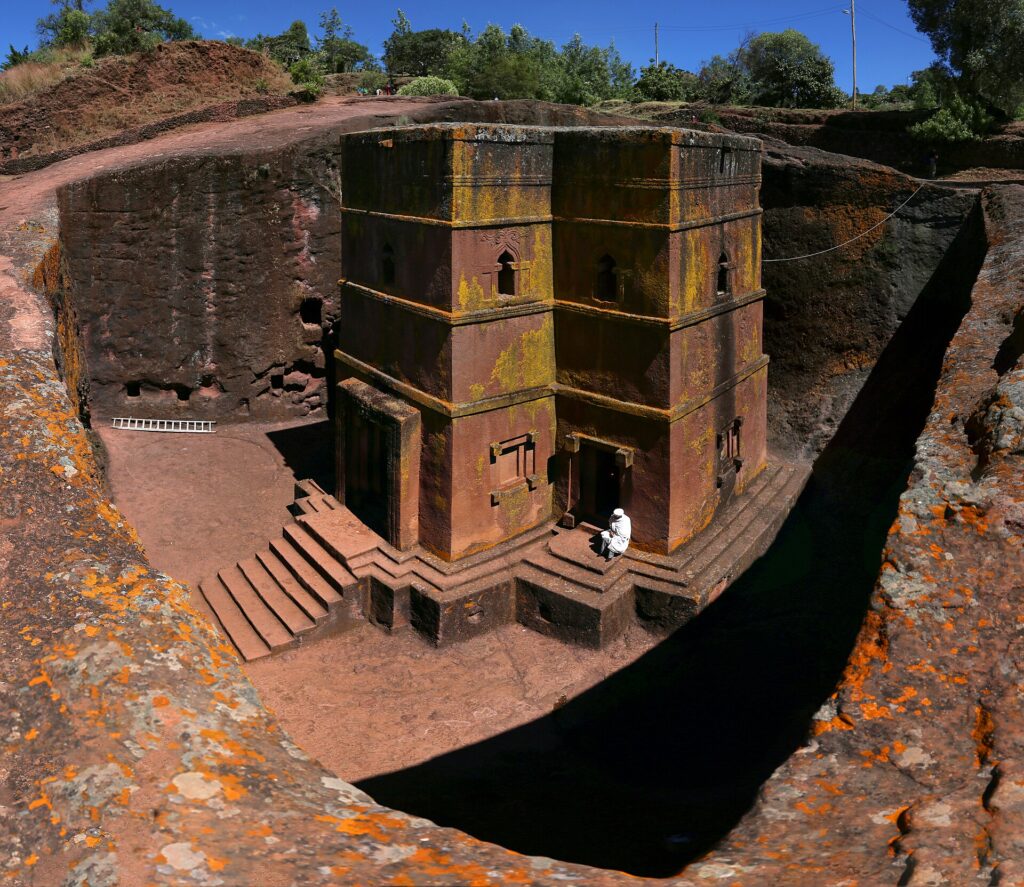
← Danh mục lịch sử thế giới / World history index
Lịch sử Ethiopia · History of Ethiopia
Tổng quan nghiên cứu song ngữ · Bilingual research overview · 25/09/2026
Tiếng Việt · English · Niên biểu / Timeline · Nguồn / Sources
Tiếng Việt
Cái nôi loài người và Aksum
Vùng Đông Phi này lưu giữ hóa thạch người cổ nổi tiếng như “Lucy”. Vương quốc Aksum (khoảng thế kỷ I–VII) kiểm soát thương mại Biển Đỏ, đúc tiền riêng và tiếp nhận Kitô giáo vào thế kỷ IV; các trụ đá khổng lồ ở Aksum là di sản tiêu biểu.
Lalibela và các vương triều
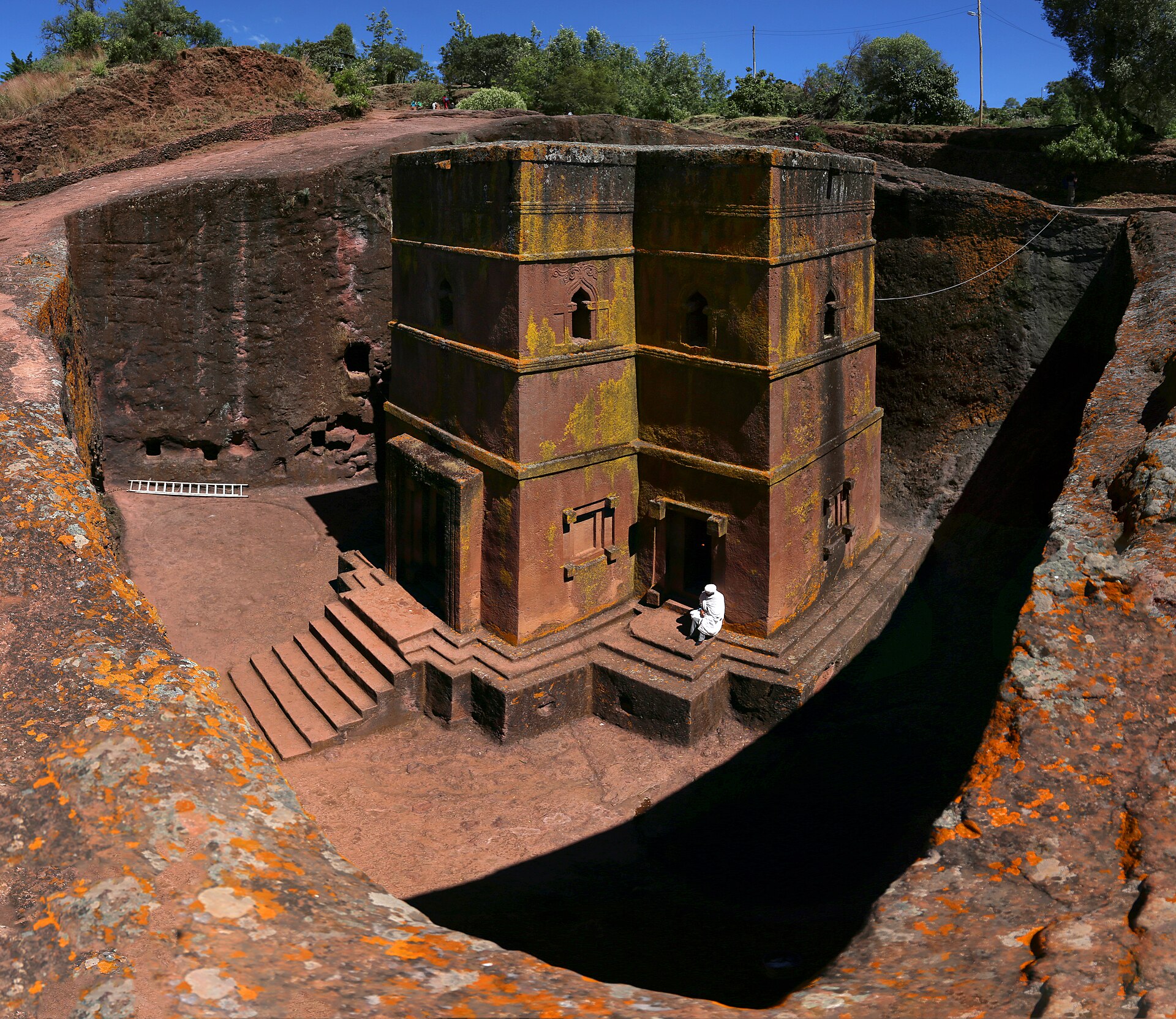
Thế kỷ XII–XIII, triều Zagwe cho đục các nhà thờ nguyên khối trong đá tại Lalibela. Từ năm 1270, triều Solomon khẳng định dòng dõi từ vua Solomon và Nữ hoàng Sheba. Gondar là kinh đô thế kỷ XVII. Các vùng đất và cộng đồng Hồi giáo, Oromo và nhiều dân tộc khác cùng góp phần làm nên lịch sử khu vực.
Adwa, đế quốc và nhà nước hiện đại
Năm 1896, Hoàng đế Menelik II đánh bại Ý tại Adwa, giúp Ethiopia giữ độc lập trong thời kỳ châu Phi bị chia cắt. Ý chiếm đóng từ 1936 đến 1941. Hoàng đế Haile Selassie bị lật đổ năm 1974 và chính quyền quân sự Derg cai trị trong bạo lực và nạn đói. Sau năm 1991 là thể chế liên bang theo sắc tộc; Eritrea tách ra năm 1993 và cuộc chiến Tigray (2020–2022) gây thương vong lớn.
English
Cradle of humanity and Aksum
This part of East Africa preserves famous early-human fossils such as “Lucy”. The Aksumite kingdom (c. first–seventh centuries) controlled Red Sea trade, minted coins and adopted Christianity in the fourth century; its giant stelae are its emblem.
Lalibela and the dynasties
In the twelfth–thirteenth centuries the Zagwe dynasty had monolithic churches carved from rock at Lalibela. From 1270 the Solomonic dynasty claimed descent from King Solomon and the Queen of Sheba. Gondar was the seventeenth-century capital. Muslim polities, the Oromo and many other peoples also shaped the region’s history.
Adwa, empire and the modern state
In 1896 Emperor Menelik II defeated Italy at Adwa, preserving Ethiopian independence during the partition of Africa. Italy occupied the country from 1936 to 1941. Emperor Haile Selassie was deposed in 1974, and the Derg military regime ruled amid violence and famine. After 1991 came ethnic federalism; Eritrea separated in 1993, and the Tigray war (2020–2022) caused massive loss of life.
Niên biểu chọn lọc · Selected timeline
- Thế kỷ IV / 4th c. — Aksum theo Kitô giáo / Aksum adopts Christianity
- 1896 — Trận Adwa / Battle of Adwa
- 1936–41 — Ý chiếm đóng / Italian occupation
- 1974 — Chế độ Derg / Derg takes power
- 1993 — Eritrea độc lập / Eritrean independence
Nguồn và phương pháp · Sources and method
Bài tổng hợp và diễn giải; đối chiếu các nguồn dưới đây theo chủ đề. / An original interpretive synthesis; consult the following sources by topic.
- UNESCO World Heritage Centre — Rock-Hewn Churches, Lalibela (di sản / heritage).
- CIA World Factbook — archived background (niên biểu và bối cảnh / chronology and context; archival edition).
Ghi chú / Note: Tổng quan chọn lọc; các tranh luận và trải nghiệm địa phương cần đọc thêm tư liệu gốc cùng nghiên cứu chuyên ngành. / A selective overview; consult primary records and specialist scholarship for contested questions and local experiences.