 AIImpish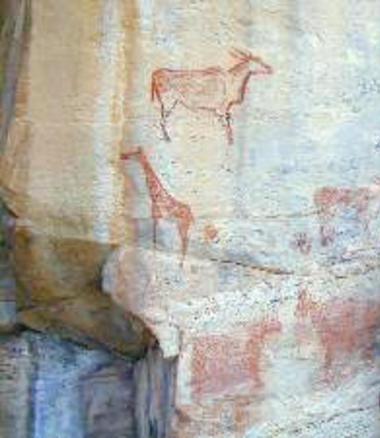
Lịch sử thế giới › Châu Phi · Africa › Botswana
Ảnh bìa / Cover photo: cj Huo · Wikimedia Commons · CC BY-SA 1.0
Tóm tắt · In brief
Từ những bức tranh đá cổ ở đồi Tsodilo đến ba vị tù trưởng sang London bảo vệ đất đai của mình, Botswana đã đi từ một trong những nước nghèo nhất thế giới lúc độc lập thành một nền dân chủ ổn định nhờ kim cương.
From ancient rock paintings in the Tsodilo Hills to three chiefs who travelled to London to defend their land, Botswana went from one of the world’s poorest countries at independence to a stable democracy transformed by diamonds.
⏳ Dấu mốc · Key dates🇻🇳 Tiếng Việt🇬🇧 English📚 Nguồn · Sources
Dấu mốc chính · Key dates
- 1885Thành lập Xứ bảo hộ Bechuanaland / Bechuanaland Protectorate established
- 1895Ba tù trưởng sang London / Three chiefs travel to London
- 1966Độc lập, Seretse Khama làm tổng thống / Independence under Seretse Khama
- 1967Phát hiện kim cương ở Orapa / Diamonds discovered at Orapa
- 2024Lần đầu tiên chuyển giao quyền lực giữa các đảng / First transfer of power between parties
Lịch sử Botswana
Những cư dân đầu tiên và các vương quốc Tswana
Người San, những cư dân săn bắt hái lượm, đã sống ở vùng Kalahari hàng chục nghìn năm; đồi Tsodilo, được mệnh danh là “Louvre của sa mạc”, lưu giữ hơn bốn nghìn bức tranh đá. Khoảng thiên niên kỷ thứ nhất CN, các cộng đồng nói tiếng Bantu mang theo chăn nuôi gia súc và luyện kim; các khu định cư như Toutswe từng phát triển thịnh vượng nhờ đàn bò. Từ thế kỷ XVII–XVIII, các nhóm Tswana như Bangwato, Bakwena và Bangwaketse lập nên những vương quốc do các kgosi (tù trưởng) cai trị, với hội đồng làng kgotla nơi mọi người cùng bàn bạc công việc chung.
Xứ bảo hộ Bechuanaland
Thế kỷ XIX, các nhà truyền giáo như David Livingstone đến vùng đất này, trong khi người Boer từ Transvaal liên tục lấn chiếm đất đai. Để đối phó, các tù trưởng Tswana tìm kiếm sự bảo hộ của Anh, và năm 1885 Xứ bảo hộ Bechuanaland được thành lập. Năm 1895, ba tù trưởng Khama III, Sebele I và Bathoen I đích thân sang London để ngăn Công ty Nam Phi Anh của Cecil Rhodes thôn tính lãnh thổ – và đã thành công. Tuy vậy, Anh gần như bỏ mặc sự phát triển của xứ bảo hộ, thậm chí đặt thủ phủ hành chính ở Mafeking, bên ngoài biên giới.
Độc lập, kim cương và dân chủ
Ngày 30 tháng 9 năm 1966, Botswana giành độc lập với Seretse Khama làm tổng thống đầu tiên, khi đất nước chỉ có vài kilômét đường trải nhựa. Chỉ một năm sau, kim cương được phát hiện ở Orapa; liên doanh Debswana giữa nhà nước và De Beers đã biến nguồn tài nguyên này thành trường học, bệnh viện và đường sá. Botswana được biết đến với các cuộc bầu cử đều đặn, tỷ lệ tham nhũng thấp và lập trường kiên quyết chống chế độ apartheid ở nước láng giềng. Năm 2024, Đảng Dân chủ Botswana cầm quyền từ khi độc lập thất cử, và Duma Boko nhậm chức tổng thống một cách hòa bình.
History of Botswana
First peoples and the Tswana kingdoms
The San, hunter-gatherers of the Kalahari, have lived in the region for tens of thousands of years; the Tsodilo Hills, nicknamed the “Louvre of the Desert”, preserve more than four thousand rock paintings. Around the first millennium CE, Bantu-speaking communities brought cattle herding and metalworking, and settlements such as Toutswe prospered on the wealth of their herds. From the seventeenth and eighteenth centuries, Tswana groups such as the Bangwato, Bakwena and Bangwaketse built kingdoms ruled by dikgosi (chiefs), with the kgotla, a village assembly where community affairs were debated openly.
The Bechuanaland Protectorate
In the nineteenth century missionaries such as David Livingstone arrived, while Boers from the Transvaal steadily encroached on Tswana land. In response, Tswana chiefs sought British protection, and in 1885 the Bechuanaland Protectorate was proclaimed. In 1895 three chiefs – Khama III, Sebele I and Bathoen I – travelled in person to London to stop Cecil Rhodes’s British South Africa Company from taking over their territory, and they succeeded. Britain nonetheless largely neglected the protectorate’s development, even running it from Mafeking, outside its own borders.
Independence, diamonds and democracy
Botswana became independent on 30 September 1966 with Seretse Khama as its first president, at a time when the country had only a few kilometres of paved road. Just a year later diamonds were discovered at Orapa; Debswana, a joint venture between the state and De Beers, turned that wealth into schools, clinics and roads. Botswana became known for regular elections, low corruption and firm opposition to apartheid next door. In 2024 the Botswana Democratic Party, in power since independence, lost an election for the first time, and Duma Boko took office peacefully.
📚 Nguồn đối chiếu · Sources
Bài tổng quan chọn lọc do AIImpish biên soạn; với các vấn đề còn tranh luận, nên đọc thêm tư liệu gốc và nghiên cứu chuyên ngành. / A selective overview by AIImpish; consult primary records and specialist scholarship on contested questions.
Khám phá tiếp · Keep exploring
Đọc lịch sử các nước khác ở Châu Phi · Africa hoặc mở danh mục 195 quốc gia →