 AIImpish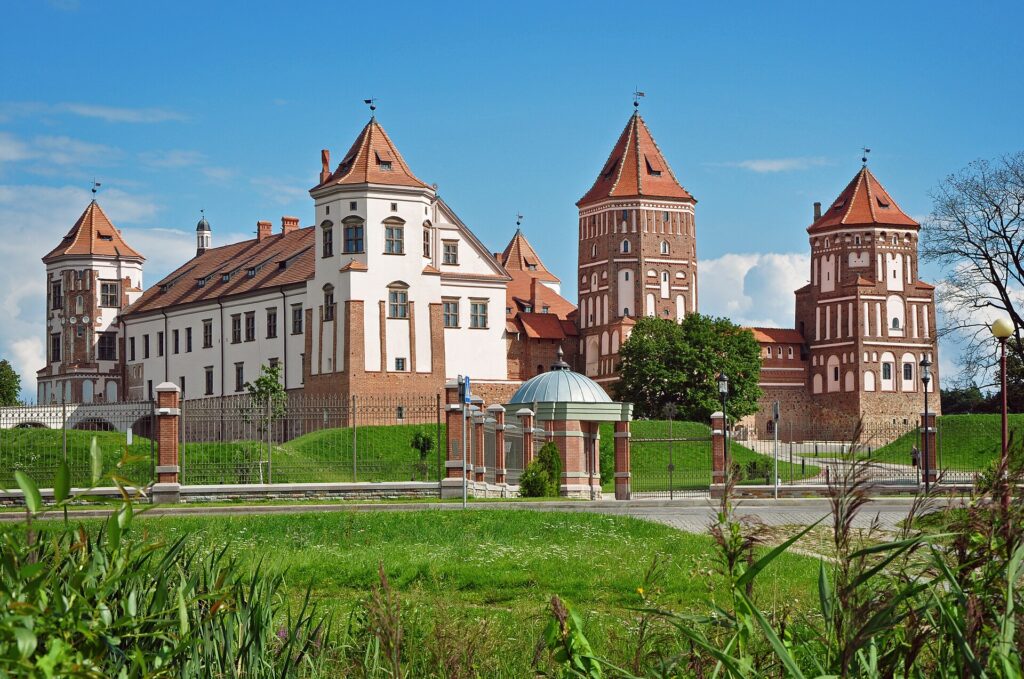
Lịch sử thế giới › Châu Âu · Europe › Belarus
Ảnh bìa / Cover photo: Вадзім Новикаў · Wikimedia Commons · CC BY-SA 3.0
Tóm tắt · In brief
Nằm trên ngã tư giữa Đông và Tây châu Âu, Belarus từng là trái tim của Đại công quốc Litva, bị chia cắt giữa các đế quốc, chịu tàn phá khủng khiếp trong Thế chiến II, rồi bước ra từ Liên Xô với một con đường riêng đầy tranh cãi.
Standing at the crossroads of Eastern and Western Europe, Belarus was once the heartland of the Grand Duchy of Lithuania, was divided among empires, suffered terrible devastation in World War II, and emerged from the Soviet Union on a contested path of its own.
⏳ Dấu mốc · Key dates🇻🇳 Tiếng Việt🇬🇧 English📚 Nguồn · Sources
Dấu mốc chính · Key dates
- 862Polotsk lần đầu được ghi chép / First recorded mention of Polotsk
- 1517Francysk Skaryna in Kinh Thánh tiếng Ruthenia / Francysk Skaryna prints his Ruthenian Bible
- 1795Toàn bộ lãnh thổ sáp nhập vào Đế quốc Nga / Entire territory annexed by the Russian Empire
- 1944Giải phóng khỏi phát xít Đức / Liberation from Nazi occupation
- 1991Tuyên bố độc lập / Independence declared
Lịch sử Belarus
Polotsk và vùng đất Ruthenia
Từ thế kỷ 9, các bộ tộc Đông Slav như Krivichi, Dregovichi và Radimichi định cư dọc các sông Dvina, Dnepr và Neman. Công quốc Polotsk, được nhắc đến trong biên niên sử từ năm 862, trở thành trung tâm quyền lực hàng đầu, kiểm soát tuyến thương mại từ biển Baltic xuống Biển Đen. Nhà thờ Thánh Sophia ở Polotsk, xây vào thế kỷ 11, là một trong những công trình đá cổ nhất vùng. Thánh Euphrosyne xứ Polotsk, nữ tu và nhà bảo trợ văn hóa thế kỷ 12, vẫn được tôn kính như một biểu tượng. Dù có mối liên hệ với Rus Kiev, Polotsk thường theo đuổi đường lối riêng và cạnh tranh với Kiev.
Đại công quốc Litva và Khối thịnh vượng chung
Từ thế kỷ 13 đến 14, các vùng đất Belarus dần nhập vào Đại công quốc Litva, một nhà nước rộng lớn mà tiếng Ruthenia cổ, tổ tiên của tiếng Belarus, là ngôn ngữ hành chính chính. Năm 1517, Francysk Skaryna người Polotsk in bản Kinh Thánh tại Praha, một cột mốc của văn hóa Đông Slav. Sau Liên minh Lublin năm 1569, vùng đất này thuộc Khối thịnh vượng chung Ba Lan–Litva; giới quý tộc dần bị Ba Lan hóa, và những lâu đài như Mir hay Nesvizh phản ánh sự giàu có của các dòng họ như Radziwiłł. Các cuộc phân chia Ba Lan từ năm 1772 đến 1795 đưa toàn bộ vùng đất vào Đế quốc Nga.
Thế kỷ 20 và nền độc lập
Ngày 25 tháng 3 năm 1918, Cộng hòa Nhân dân Belarus được tuyên bố nhưng tồn tại ngắn ngủi; năm 1919 Cộng hòa Xô viết Belarus ra đời và năm 1922 là thành viên sáng lập Liên Xô. Thế chiến II đặc biệt tàn khốc: hàng trăm làng như Khatyn bị thiêu rụi, cộng đồng Do Thái lớn gần như bị hủy diệt trong Holocaust, và một phần rất lớn dân số thiệt mạng. Năm 1986, thảm họa Chernobyl ở nước láng giềng Ukraina làm ô nhiễm nhiều vùng đất. Belarus tuyên bố độc lập năm 1991 và ký Hiệp định Belovezha giải thể Liên Xô. Alexander Lukashenko cầm quyền từ năm 1994; cuộc bầu cử năm 2020 gây tranh cãi và dẫn đến các cuộc biểu tình lớn bị đàn áp.
History of Belarus
Polotsk and the Ruthenian lands
From the 9th century, East Slavic tribes such as the Krivichs, Dregovichs and Radimichs settled along the Dvina, Dnieper and Neman rivers. The Principality of Polotsk, mentioned in the chronicles from 862, became the leading centre of power, controlling a trade route from the Baltic to the Black Sea. Polotsk’s Saint Sophia Cathedral, built in the 11th century, is among the oldest stone buildings in the region. Saint Euphrosyne of Polotsk, a 12th-century nun and patron of learning, is still revered as a national symbol. Though linked with Kievan Rus’, Polotsk often pursued its own course and rivalled Kiev.
The Grand Duchy of Lithuania and the Commonwealth
In the 13th and 14th centuries the Belarusian lands were gradually absorbed into the Grand Duchy of Lithuania, a vast state in which Old Ruthenian, ancestor of Belarusian, was the main language of government. In 1517 Francysk Skaryna of Polotsk printed a Bible in Prague, a landmark of East Slavic culture. After the Union of Lublin in 1569 the region belonged to the Polish–Lithuanian Commonwealth; the nobility became increasingly Polonised, and castles such as Mir and Nesvizh reflect the wealth of families like the Radziwiłłs. The Partitions of Poland between 1772 and 1795 brought the whole territory into the Russian Empire.
The 20th century and independence
On 25 March 1918 the Belarusian People’s Republic was proclaimed but proved short-lived; in 1919 the Byelorussian Soviet Socialist Republic was created, and in 1922 it became a founding member of the USSR. World War II was especially devastating: hundreds of villages such as Khatyn were burned, the large Jewish community was almost wiped out in the Holocaust, and a very large share of the population perished. In 1986 the Chernobyl disaster in neighbouring Ukraine contaminated wide areas. Belarus declared independence in 1991 and signed the Belovezha Accords that dissolved the Soviet Union. Alexander Lukashenko has ruled since 1994; the disputed 2020 election sparked mass protests that were suppressed.
📚 Nguồn đối chiếu · Sources
Bài tổng quan chọn lọc do AIImpish biên soạn; với các vấn đề còn tranh luận, nên đọc thêm tư liệu gốc và nghiên cứu chuyên ngành. / A selective overview by AIImpish; consult primary records and specialist scholarship on contested questions.
Khám phá tiếp · Keep exploring
Đọc lịch sử các nước khác ở Châu Âu · Europe hoặc mở danh mục 195 quốc gia →