 AIImpish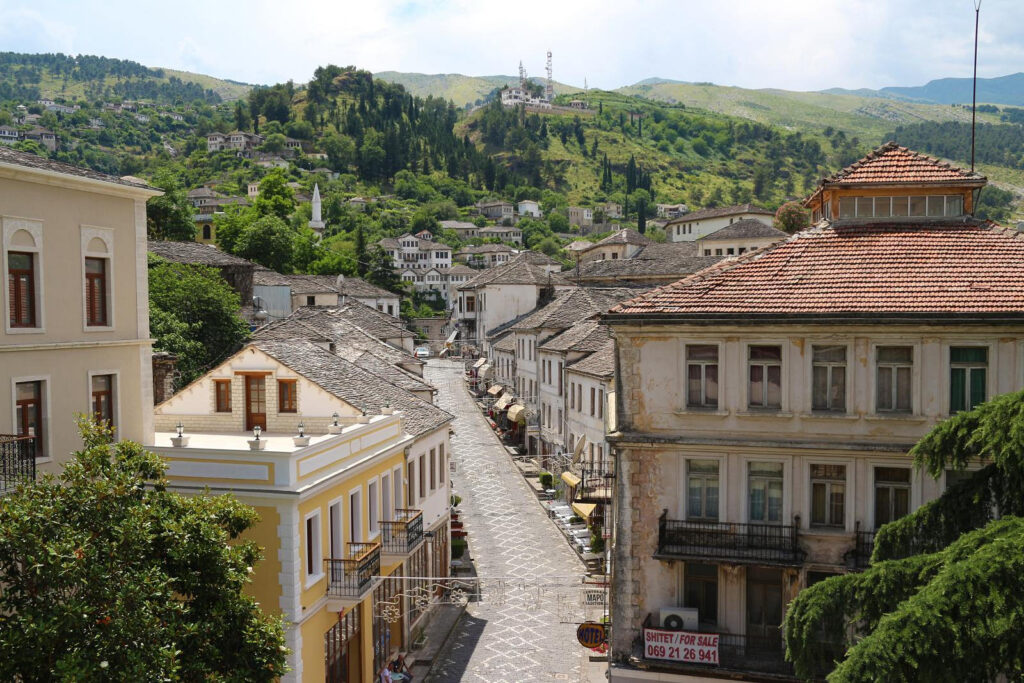
Lịch sử thế giới › Châu Âu · Europe › Albania
Ảnh bìa / Cover photo: Name: Armin Flickr: flickr.com/octopuzz/ · Wikimedia Commons · CC BY-SA 2.0
Tóm tắt · In brief
Từ các thành phố Illyria và Hy Lạp cổ đại, qua cuộc kháng chiến của Skanderbeg chống Đế quốc Ottoman, đến chế độ cộng sản khép kín nhất châu Âu, lịch sử Albania là câu chuyện về một dân tộc nhỏ kiên cường giữ gìn ngôn ngữ và bản sắc riêng.
From Illyrian and ancient Greek cities, through Skanderbeg’s defiance of the Ottoman Empire, to Europe’s most isolated communist state, Albania’s history is the story of a small, resilient people who held on to a language and identity uniquely their own.
⏳ Dấu mốc · Key dates🇻🇳 Tiếng Việt🇬🇧 English📚 Nguồn · Sources
Dấu mốc chính · Key dates
- 1444Skanderbeg lập Liên minh Lezhë / Skanderbeg forms the League of Lezhë
- 1912Tuyên bố độc lập tại Vlorë / Independence declared at Vlorë
- 1944Chế độ cộng sản của Enver Hoxha bắt đầu / Enver Hoxha’s communist rule begins
- 1991Bầu cử đa đảng đầu tiên / First multiparty elections
- 2009Gia nhập NATO / Joins NATO
Lịch sử Albania
Người Illyria, Hy Lạp và La Mã
Vùng đất Albania ngày nay từng là quê hương của các bộ tộc Illyria, những người dựng nên các vương quốc hùng mạnh ở bờ đông biển Adriatic. Người Hy Lạp lập thuộc địa như Epidamnos (Durrës ngày nay) và Apollonia, còn Butrint ở phía nam phát triển thành một trung tâm văn hóa sầm uất. Sau các cuộc chiến với La Mã vào thế kỷ 2 TCN, vùng này trở thành một phần của đế quốc; con đường Via Egnatia nối Durrës với Constantinopolis biến nơi đây thành cửa ngõ giữa Tây và Đông. Về sau, lãnh thổ thuộc Đế quốc Byzantine và liên tục bị tranh giành bởi người Bulgaria, người Serbia, người Norman và Cộng hòa Venezia.
Skanderbeg và năm thế kỷ Ottoman
Từ cuối thế kỷ 14, Đế quốc Ottoman dần tiến vào Albania. Năm 1443, Gjergj Kastrioti, được biết đến với tên Skanderbeg, rời quân đội Ottoman, trở về thành Krujë và năm sau đó tập hợp các thủ lĩnh địa phương trong Liên minh Lezhë. Suốt hơn hai thập kỷ, ông đẩy lùi nhiều cuộc vây hãm, trở thành anh hùng dân tộc. Sau khi ông mất năm 1468, Albania dần rơi hẳn vào tay Ottoman. Trong gần năm thế kỷ tiếp theo, phần lớn dân chúng cải sang đạo Hồi, nhiều người Albania giữ chức vụ cao trong đế quốc, và các thị trấn như Berat hay Gjirokastër hình thành những khu phố cổ bằng đá đặc trưng.
Từ độc lập đến dân chủ
Ngày 28 tháng 11 năm 1912, giữa Chiến tranh Balkan, Ismail Qemali tuyên bố độc lập tại Vlorë. Nhà nước non trẻ trải qua bất ổn, rồi dưới thời Ahmed Zogu trở thành vương quốc năm 1928, trước khi bị Ý chiếm đóng năm 1939. Sau Thế chiến II, Enver Hoxha thiết lập một chế độ cộng sản cứng rắn, lần lượt cắt đứt quan hệ với Nam Tư, Liên Xô và Trung Quốc, cấm tôn giáo năm 1967 và xây hàng trăm nghìn lô cốt. Sự sụp đổ của chế độ năm 1990–1991 mở đường cho dân chủ đa đảng, nhưng cũng kéo theo khủng hoảng, như vụ sụp đổ các mô hình đầu tư kim tự tháp năm 1997. Albania gia nhập NATO năm 2009 và đang đàm phán gia nhập Liên minh châu Âu.
History of Albania
Illyrians, Greeks and Romans
The land that is now Albania was home to Illyrian tribes, who built powerful kingdoms along the eastern Adriatic shore. Greeks founded colonies such as Epidamnos (modern Durrës) and Apollonia, while Butrint in the south flourished as a lively cultural centre. After wars with Rome in the 2nd century BCE, the region became part of the empire; the Via Egnatia, linking Durrës with Constantinople, turned it into a gateway between West and East. Later it belonged to the Byzantine Empire and was repeatedly contested by Bulgarians, Serbs, Normans and the Republic of Venice.
Skanderbeg and five Ottoman centuries
From the late 14th century the Ottoman Empire pushed steadily into Albania. In 1443 Gjergj Kastrioti, known as Skanderbeg, deserted the Ottoman army, returned to the fortress of Krujë and the following year united local chieftains in the League of Lezhë. For more than two decades he repelled siege after siege, becoming the national hero. After his death in 1468, Albania gradually fell fully under Ottoman rule. Over nearly five centuries most of the population converted to Islam, many Albanians rose to high office in the empire, and towns such as Berat and Gjirokastër developed their distinctive stone-built old quarters.
From independence to democracy
On 28 November 1912, amid the Balkan Wars, Ismail Qemali declared independence at Vlorë. The young state endured instability, then under Ahmed Zogu became a kingdom in 1928, before Italy occupied it in 1939. After World War II, Enver Hoxha imposed a hardline communist regime that broke in turn with Yugoslavia, the Soviet Union and China, banned religion in 1967 and built hundreds of thousands of bunkers. The regime’s collapse in 1990–1991 opened the way to multiparty democracy, but also to turmoil such as the 1997 collapse of pyramid investment schemes. Albania joined NATO in 2009 and is negotiating membership of the European Union.
📚 Nguồn đối chiếu · Sources
Bài tổng quan chọn lọc do AIImpish biên soạn; với các vấn đề còn tranh luận, nên đọc thêm tư liệu gốc và nghiên cứu chuyên ngành. / A selective overview by AIImpish; consult primary records and specialist scholarship on contested questions.
Khám phá tiếp · Keep exploring
Đọc lịch sử các nước khác ở Châu Âu · Europe hoặc mở danh mục 195 quốc gia →