 AIImpish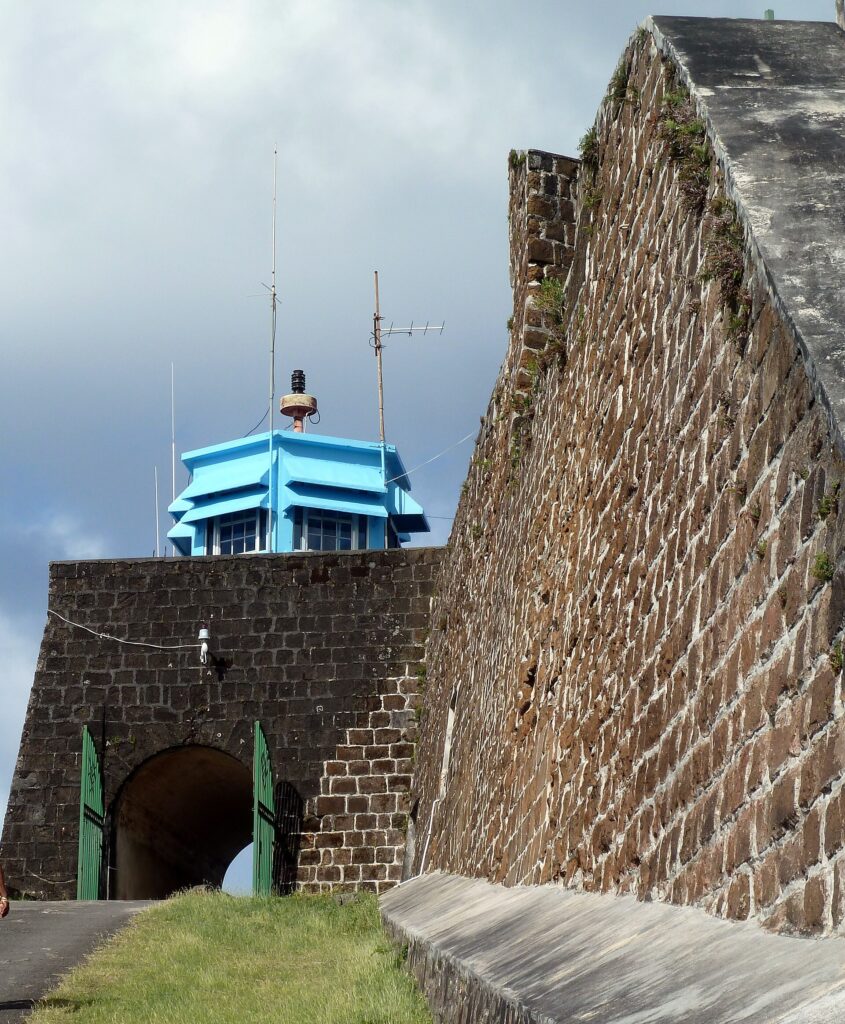
Lịch sử thế giới › Châu Mỹ · Americas › Saint Vincent và Grenadines
Ảnh bìa / Cover photo: giggel · Wikimedia Commons · CC BY 3.0
Tóm tắt · In brief
Saint Vincent là thành trì cuối cùng của người Kalinago và Garifuna ở Đông Caribe, nơi thủ lĩnh Chatoyer chống lại đế quốc Anh, trước khi hòn đảo núi lửa cùng chuỗi đảo Grenadines trở thành một quốc gia độc lập nhỏ bé.
Saint Vincent was the last stronghold of the Kalinago and Garifuna in the eastern Caribbean, where Chief Chatoyer defied the British Empire, long before this volcanic island and its Grenadine chain became a small independent nation.
⏳ Dấu mốc · Key dates🇻🇳 Tiếng Việt🇬🇧 English📚 Nguồn · Sources
Dấu mốc chính · Key dates
- 1763Hiệp ước Paris trao đảo cho Anh / Treaty of Paris gives the island to Britain
- 1795Chatoyer tử trận trong Chiến tranh Carib lần hai / Chatoyer killed in the Second Carib War
- 1797Người Garifuna bị trục xuất sang Roatán / Garifuna deported to Roatán
- 1902La Soufrière phun trào / La Soufrière erupts
- 1979Độc lập khỏi Anh / Independence from Britain
Lịch sử Saint Vincent và Grenadines
Hairouna và người Garifuna
Người Kalinago gọi hòn đảo là Hairouna, “vùng đất của những người được ban phước”. Địa hình núi non hiểm trở và sự kháng cự quyết liệt khiến người châu Âu không thể định cư lâu dài suốt hơn hai thế kỷ sau khi Colombo đi qua vùng biển này. Tại đây, những người châu Phi thoát nạn đắm tàu hoặc trốn khỏi các đảo lân cận hòa huyết với người Kalinago, hình thành cộng đồng Garifuna, còn gọi là “Carib Đen”. Năm 1719, người Pháp lập những khu định cư đầu tiên trồng cà phê, thuốc lá và bông, thường sau khi thương lượng với cư dân bản địa về đất đai.
Chatoyer và cuộc chiến giành đất
Hiệp ước Paris năm 1763 trao Saint Vincent cho Anh, và các điền chủ mía nhanh chóng lấn chiếm đất của người Garifuna, dẫn tới Chiến tranh Carib lần thứ nhất. Pháp chiếm lại đảo từ 1779 đến 1783. Năm 1795, thủ lĩnh Joseph Chatoyer lãnh đạo cuộc nổi dậy lớn với sự hỗ trợ của Pháp nhưng tử trận ngay đầu cuộc chiến; ông nay được tôn vinh là anh hùng dân tộc đầu tiên. Năm 1797, khoảng năm nghìn người Garifuna bị trục xuất sang đảo Roatán ngoài khơi Honduras, và con cháu họ nay sống khắp bờ biển Trung Mỹ. Vườn bách thảo Kingstown, lập năm 1765, đón cây sa kê do thuyền trưởng Bligh mang tới.
Núi lửa, thuộc địa và độc lập
Chế độ nô lệ bị bãi bỏ năm 1834 và chấm dứt hẳn năm 1838; sau đó lao động giao kèo từ Madeira và Ấn Độ được đưa đến. Núi lửa La Soufrière phun trào năm 1902, gần như cùng lúc với thảm họa Mont Pelée ở Martinique, cướp đi khoảng 1.600 sinh mạng, rồi tiếp tục phun trào năm 1979 và 2021. Đảo trở thành quốc gia liên kết với Anh năm 1969 và độc lập ngày 27 tháng 10 năm 1979, với Milton Cato là thủ tướng đầu tiên. Chuối, du thuyền quanh Grenadines và các khu nghỉ dưỡng như Mustique trở thành nguồn thu chính; trưng cầu ý dân năm 2009 bác bỏ hiến pháp cộng hòa mới.
History of Saint Vincent and the Grenadines
Hairouna and the Garifuna
The Kalinago called the island Hairouna, “land of the blessed”. Rugged mountains and fierce resistance kept Europeans from settling for more than two centuries after Columbus sailed through these waters. Here Africans who survived shipwrecks or escaped from neighbouring islands intermarried with the Kalinago, forming the Garifuna community, also known as the “Black Caribs”. In 1719 the French established the first settlements, growing coffee, tobacco and cotton, often after negotiating with the Indigenous inhabitants over land.
Chatoyer and the struggle for land
The Treaty of Paris in 1763 gave Saint Vincent to Britain, and sugar planters quickly encroached on Garifuna land, leading to the First Carib War. France retook the island from 1779 to 1783. In 1795 Chief Joseph Chatoyer led a major uprising with French support but was killed early in the fighting; he is now honoured as the country’s first National Hero. In 1797 around five thousand Garifuna were deported to the island of Roatán off Honduras, and their descendants now live along the coasts of Central America. The Kingstown Botanic Gardens, founded in 1765, received breadfruit brought by Captain Bligh.
Volcano, colony and independence
Slavery was abolished in 1834 and fully ended in 1838; indentured labourers from Madeira and India were later brought in. La Soufrière erupted in 1902, almost simultaneously with the Mont Pelée disaster on Martinique, killing about 1,600 people, and erupted again in 1979 and 2021. The island became an associated state of Britain in 1969 and independent on 27 October 1979, with Milton Cato as its first prime minister. Bananas, yachting around the Grenadines and resorts such as Mustique became key sources of income; a 2009 referendum rejected a new republican constitution.
📚 Nguồn đối chiếu · Sources
- Encyclopaedia Britannica — Saint Vincent and the Grenadines
- Wikipedia — History of Saint Vincent and the Grenadines
Bài tổng quan chọn lọc do AIImpish biên soạn; với các vấn đề còn tranh luận, nên đọc thêm tư liệu gốc và nghiên cứu chuyên ngành. / A selective overview by AIImpish; consult primary records and specialist scholarship on contested questions.
Khám phá tiếp · Keep exploring
Đọc lịch sử các nước khác ở Châu Mỹ · Americas hoặc mở danh mục 195 quốc gia →