 AIImpish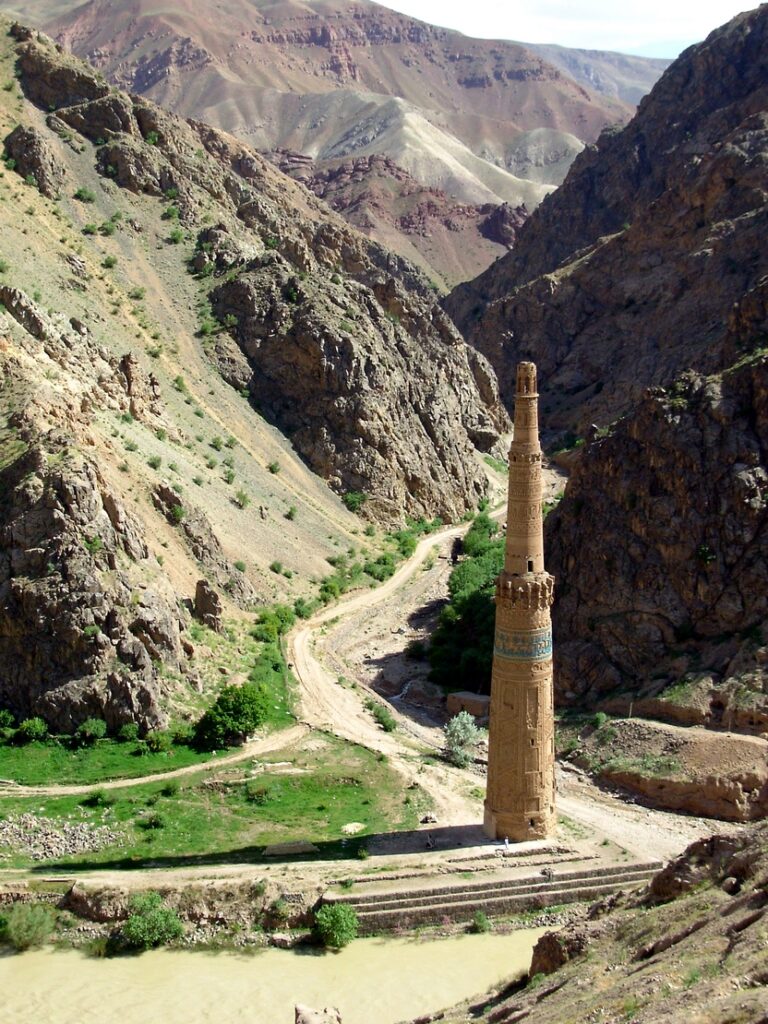
Lịch sử thế giới › Châu Á · Asia › Afghanistan
Ảnh bìa / Cover photo: david adamec · Wikimedia Commons · Public domain
Tóm tắt · In brief
Nằm ở ngã tư giữa Ba Tư, Trung Á và tiểu lục địa Ấn Độ, Afghanistan từng là nơi giao thoa của các đoàn lữ hành Con đường Tơ lụa, những tượng Phật khổng lồ Bamiyan và các đế quốc Hồi giáo huy hoàng trước khi trở thành trung tâm của nhiều cuộc chiến hiện đại.
Set at the crossroads of Persia, Central Asia and the Indian subcontinent, Afghanistan was once a meeting point of Silk Road caravans, the colossal Buddhas of Bamiyan and brilliant Islamic empires before it became the stage for some of the modern world’s longest wars.
⏳ Dấu mốc · Key dates🇻🇳 Tiếng Việt🇬🇧 English📚 Nguồn · Sources
Dấu mốc chính · Key dates
- 330 TCN / BCEAlexander Đại đế tiến vào Bactria / Alexander the Great enters Bactria
- 1747Ahmad Shah Durrani lập Đế quốc Durrani / Ahmad Shah Durrani founds the Durrani Empire
- 1919Giành lại quyền tự chủ đối ngoại từ Anh / Full independence from British control of foreign affairs
- 1979Liên Xô can thiệp quân sự / Soviet military intervention
- 2021Taliban trở lại nắm quyền / Taliban return to power
Lịch sử Afghanistan
Ngã tư của các nền văn minh
Vùng đất Afghanistan ngày nay từng thuộc Đế quốc Achaemenid của Ba Tư trước khi Alexander Đại đế chinh phục Bactria vào thế kỷ 4 TCN. Sau đó, vương quốc Hy Lạp–Bactria và Đế quốc Kushan biến nơi đây thành trung tâm giao thương trên Con đường Tơ lụa, nơi nghệ thuật Phật giáo Gandhara kết hợp phong cách Hy Lạp và Ấn Độ. Hai pho tượng Phật khổng lồ ở thung lũng Bamiyan, tạc vào vách đá khoảng thế kỷ 6, đứng sừng sững suốt hơn một nghìn năm cho đến khi bị Taliban phá hủy năm 2001. Từ thế kỷ 7, Hồi giáo dần lan rộng, mở ra một chương mới cho vùng đất này.
Các đế quốc Hồi giáo và “Ván cờ lớn”
Khoảng năm 1000, Mahmud xứ Ghazni biến Ghazni thành kinh đô của một đế quốc trải dài tới Ấn Độ; sau đó nhà Ghurid để lại Tháp Jam cao vút giữa núi non. Quân Mông Cổ tàn phá nhiều thành phố vào thập niên 1220, nhưng dưới triều Timurid thế kỷ 15, Herat trở thành trung tâm thơ ca và hội họa tiểu họa rực rỡ. Năm 1747, Ahmad Shah Durrani thống nhất các bộ tộc Pashtun ở Kandahar, đặt nền móng cho nhà nước Afghanistan hiện đại. Thế kỷ 19, đất nước bị kẹp giữa Đế quốc Anh và Đế quốc Nga trong “Ván cờ lớn”, trải qua các cuộc chiến tranh Anh–Afghanistan và đường biên giới Durand năm 1893.
Từ vương quốc đến chiến tranh kéo dài
Sau cuộc chiến năm 1919, Afghanistan giành lại quyền tự quyết đối ngoại và vua Amanullah Khan khởi xướng các cải cách hiện đại hóa đầy tham vọng. Dưới thời vua Zahir Shah (1933–1973), đất nước trải qua bốn thập niên tương đối ổn định. Cuộc đảo chính năm 1973 và cuộc cách mạng cộng sản năm 1978 mở đường cho Liên Xô can thiệp năm 1979; cuộc chiến với lực lượng mujahideen kéo dài một thập kỷ, khiến hàng triệu người phải tị nạn. Nội chiến dẫn đến chính quyền Taliban năm 1996, rồi cuộc can thiệp do Mỹ dẫn đầu năm 2001. Tháng 8/2021, Taliban trở lại nắm quyền, áp đặt những hạn chế nghiêm ngặt đối với giáo dục và việc làm của phụ nữ.
History of Afghanistan
A crossroads of civilizations
The lands of present-day Afghanistan belonged to the Persian Achaemenid Empire before Alexander the Great conquered Bactria in the 4th century BCE. The Greco-Bactrian kingdom and then the Kushan Empire turned the region into a Silk Road hub, where Gandhara Buddhist art fused Greek and Indian styles. Two colossal Buddhas carved into the cliffs of the Bamiyan valley around the 6th century stood for well over a thousand years until the Taliban destroyed them in 2001. From the 7th century onward, Islam gradually spread across the region, opening a new chapter in its history.
Islamic empires and the “Great Game”
Around the year 1000, Mahmud of Ghazni made Ghazni the capital of an empire reaching deep into India; the Ghurids who followed left behind the soaring Minaret of Jam in a remote mountain valley. Mongol armies devastated many cities in the 1220s, yet under the Timurids of the 15th century Herat blossomed into a centre of poetry and miniature painting. In 1747 Ahmad Shah Durrani united the Pashtun tribes at Kandahar, laying the foundations of the modern Afghan state. In the 19th century the country was caught between the British and Russian empires in the “Great Game”, enduring Anglo-Afghan wars and the Durand Line border of 1893.
From kingdom to long war
After the war of 1919, Afghanistan regained control of its foreign affairs, and King Amanullah Khan launched ambitious modernizing reforms. Under King Zahir Shah (1933–1973) the country enjoyed four decades of relative stability. A coup in 1973 and a communist revolution in 1978 paved the way for Soviet intervention in 1979; the decade-long war against the mujahideen drove millions into exile as refugees. Civil war led to Taliban rule in 1996, followed by a US-led intervention in 2001. In August 2021 the Taliban returned to power, imposing sweeping restrictions on women’s education and employment.
📚 Nguồn đối chiếu · Sources
Bài tổng quan chọn lọc do AIImpish biên soạn; với các vấn đề còn tranh luận, nên đọc thêm tư liệu gốc và nghiên cứu chuyên ngành. / A selective overview by AIImpish; consult primary records and specialist scholarship on contested questions.
Khám phá tiếp · Keep exploring
Đọc lịch sử các nước khác ở Châu Á · Asia hoặc mở danh mục 195 quốc gia →