 AIImpish
← Danh mục lịch sử thế giới / World history index
Lịch sử Iraq · History of Iraq
Tổng quan nghiên cứu song ngữ · Bilingual research overview · 25/09/2026
Tiếng Việt · English · Niên biểu / Timeline · Nguồn / Sources
Tiếng Việt
Lưỡng Hà — cái nôi văn minh
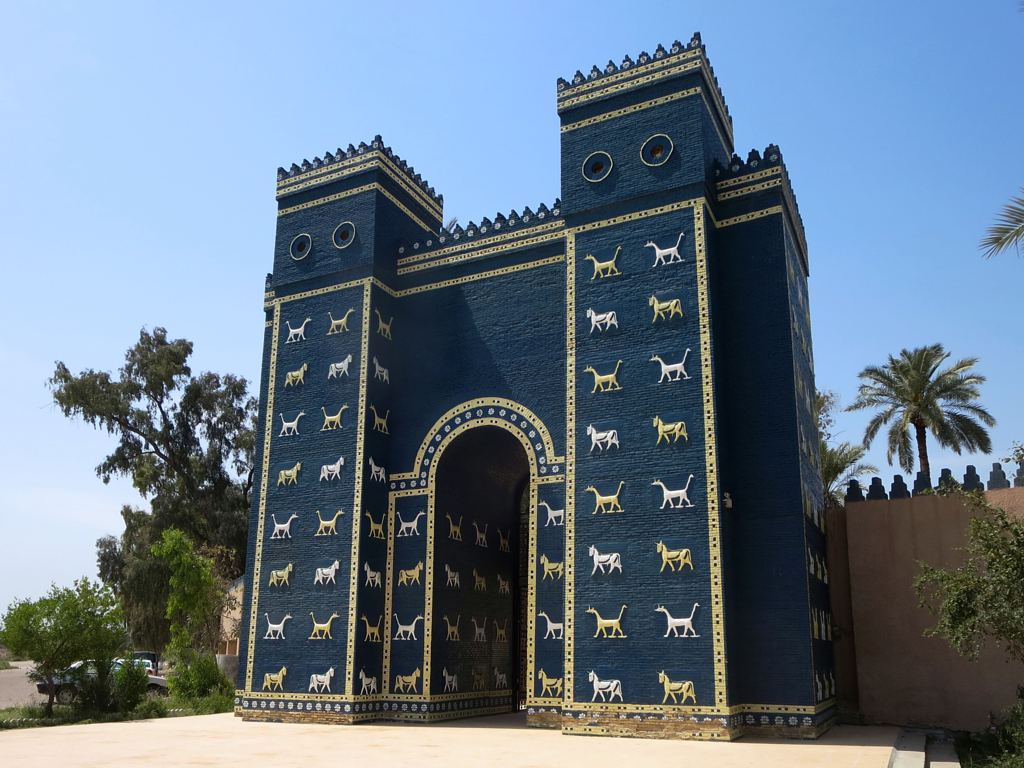
Giữa hai sông Tigris và Euphrates, người Sumer xây dựng những đô thị đầu tiên như Uruk và phát minh chữ hình nêm. Tiếp theo là Akkad, Babylon — nơi vua Hammurabi ban hành bộ luật nổi tiếng khoảng năm 1754 TCN — và Assyria. Vua Nebuchadnezzar II đưa Tân Babylon lên đỉnh cao vào thế kỷ VI TCN.
Baghdad và nhà Abbasid
Người Ả Rập chinh phục vùng đất vào thế kỷ VII. Nhà Abbasid lập Baghdad năm 762; thành phố trở thành trung tâm khoa học, dịch thuật và thương mại của thế giới. Quân Mông Cổ tàn phá Baghdad năm 1258. Từ thế kỷ XVI, phần lớn Iraq thuộc Đế quốc Ottoman.
Iraq hiện đại
Sau Thế chiến I, Anh cai quản Iraq; vương quốc được lập năm 1921 và độc lập năm 1932. Chế độ quân chủ bị lật đổ năm 1958 và đảng Ba’ath nắm quyền năm 1968. Dưới thời Saddam Hussein có chiến tranh Iran–Iraq (1980–1988), chiến dịch Anfal chống người Kurd và cuộc xâm lược Kuwait năm 1990. Cuộc xâm lược do Mỹ dẫn đầu năm 2003 lật đổ chế độ, kéo theo xung đột giáo phái; nhóm IS chiếm nhiều vùng từ năm 2014 trước khi bị đánh bại năm 2017.
English
Mesopotamia — a cradle of civilization
Between the Tigris and Euphrates, the Sumerians built the first cities, such as Uruk, and invented cuneiform writing. Akkad followed, then Babylon — where King Hammurabi issued his famous law code around 1754 BCE — and Assyria. Nebuchadnezzar II brought Neo-Babylon to its height in the sixth century BCE.
Baghdad and the Abbasids
Arab armies conquered the region in the seventh century. The Abbasids founded Baghdad in 762, and it became a world center of science, translation and trade. Mongol forces sacked Baghdad in 1258. From the sixteenth century most of Iraq was part of the Ottoman Empire.
Modern Iraq
After the First World War Britain governed Iraq; a kingdom was established in 1921 and became independent in 1932. The monarchy was overthrown in 1958, and the Ba’ath Party took power in 1968. Saddam Hussein’s rule brought the Iran–Iraq War (1980–1988), the Anfal campaign against Kurds and the 1990 invasion of Kuwait. The US-led invasion of 2003 toppled the regime and was followed by sectarian conflict; ISIS seized large areas from 2014 before its defeat in 2017.
Niên biểu chọn lọc · Selected timeline
- c. 1754 TCN / BCE — Bộ luật Hammurabi / Code of Hammurabi
- 762 — Lập Baghdad / Baghdad founded
- 1932 — Độc lập / Independence
- 1958 — Lật đổ quân chủ / Monarchy overthrown
- 2003 — Chiến tranh Iraq / Iraq War
Nguồn và phương pháp · Sources and method
Bài tổng hợp và diễn giải; đối chiếu các nguồn dưới đây theo chủ đề. / An original interpretive synthesis; consult the following sources by topic.
- UNESCO World Heritage Centre — Babylon (di sản / heritage).
- CIA World Factbook — archived background (niên biểu và bối cảnh / chronology and context; archival edition).
Ghi chú / Note: Tổng quan chọn lọc; các tranh luận và trải nghiệm địa phương cần đọc thêm tư liệu gốc cùng nghiên cứu chuyên ngành. / A selective overview; consult primary records and specialist scholarship for contested questions and local experiences.