 AIImpish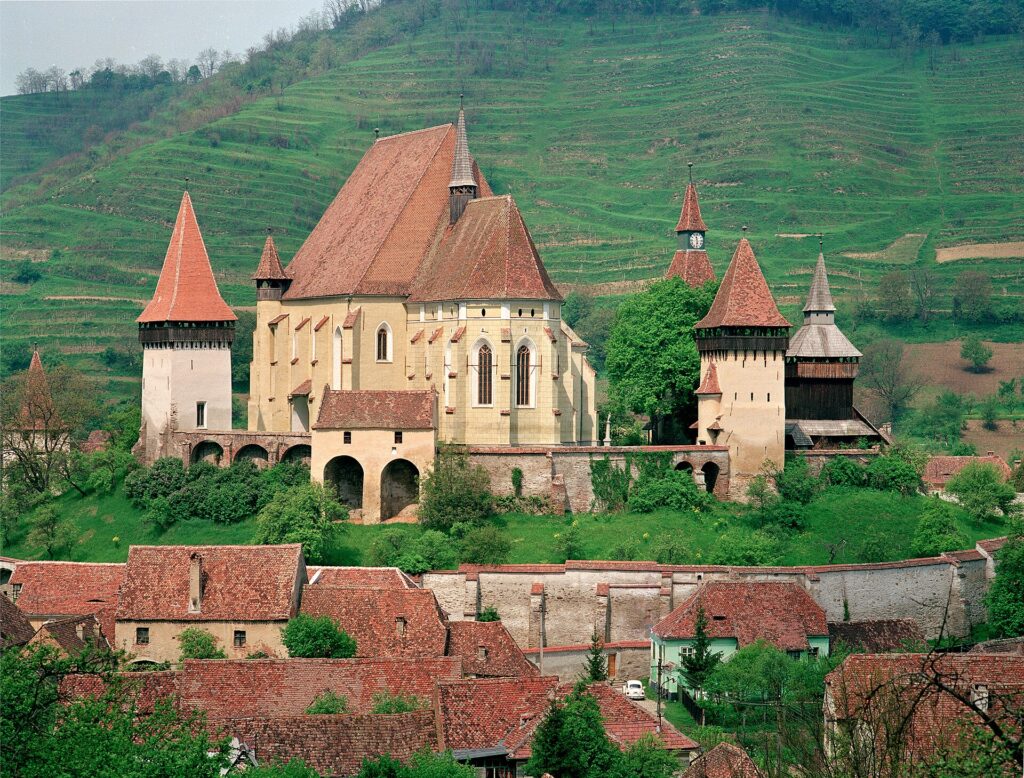
← Danh mục lịch sử thế giới / World history index
Lịch sử Romania · History of Romania
Tổng quan nghiên cứu song ngữ · Bilingual research overview · 25/09/2026
Tiếng Việt · English · Niên biểu / Timeline · Nguồn / Sources
Tiếng Việt
Dacia và La Mã
Người Dacia sinh sống trên vùng đất này thời cổ đại. Hoàng đế Trajan chinh phục Dacia năm 106 CN; ảnh hưởng La Mã góp phần tạo nên tiếng Romania thuộc ngữ hệ Rôman.
Wallachia, Moldavia và Transylvania
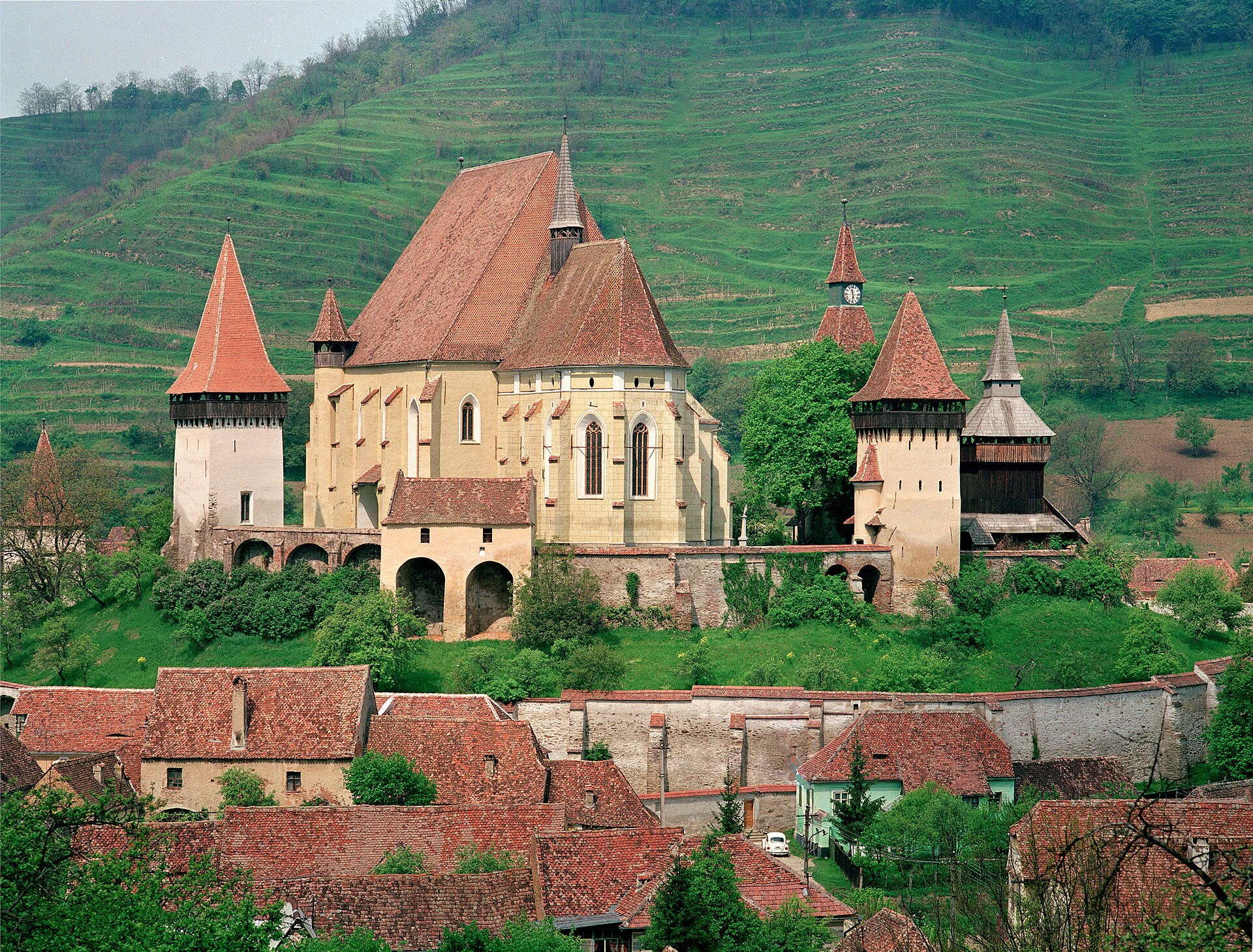
Thế kỷ XIV, các thân vương quốc Wallachia và Moldavia hình thành; Vlad III và Stefan Đại đế chống lại sự bành trướng của Ottoman, dù về sau hai xứ vẫn phải chịu quyền bá chủ của Ottoman. Transylvania thuộc Hungary rồi Habsburg, nổi tiếng với các nhà thờ pháo đài của người Saxon. Năm 1859, Alexandru Ioan Cuza hợp nhất Wallachia và Moldavia; Romania độc lập năm 1878.
Thế kỷ XX
Năm 1918, Transylvania và các vùng khác hợp nhất với Romania. Trong Thế chiến II, Romania đứng về phe Trục rồi đổi phe năm 1944; hàng trăm nghìn người Do Thái và Roma bị giết hại trong Holocaust tại các vùng do Romania kiểm soát. Chế độ cộng sản, đặc biệt dưới thời Nicolae Ceaușescu, mang tính đàn áp nặng nề. Cách mạng tháng 12/1989 lật đổ chế độ; Romania gia nhập NATO năm 2004 và EU năm 2007.
English
Dacia and Rome
The Dacians inhabited the region in antiquity. Emperor Trajan conquered Dacia in 106 CE; Roman influence helped shape Romanian as a Romance language.
Wallachia, Moldavia and Transylvania
In the fourteenth century the principalities of Wallachia and Moldavia emerged; Vlad III and Stephen the Great resisted Ottoman expansion, though both principalities later accepted Ottoman suzerainty. Transylvania belonged to Hungary and then the Habsburgs and is known for Saxon fortified churches. In 1859 Alexandru Ioan Cuza united Wallachia and Moldavia; Romania became independent in 1878.
The twentieth century
In 1918 Transylvania and other regions united with Romania. In the Second World War Romania fought with the Axis before switching sides in 1944; hundreds of thousands of Jews and Roma were killed in the Holocaust in Romanian-controlled areas. Communist rule, especially under Nicolae Ceaușescu, was harshly repressive. The December 1989 revolution toppled the regime; Romania joined NATO in 2004 and the EU in 2007.
Niên biểu chọn lọc · Selected timeline
- 106 — La Mã chinh phục Dacia / Roman conquest of Dacia
- 1859 — Hợp nhất / Union of principalities
- 1878 — Độc lập / Independence
- 1918 — Đại Romania / Great Union
- 1989 — Cách mạng / Revolution
Nguồn và phương pháp · Sources and method
Bài tổng hợp và diễn giải; đối chiếu các nguồn dưới đây theo chủ đề. / An original interpretive synthesis; consult the following sources by topic.
- UNESCO World Heritage Centre — Villages with Fortified Churches in Transylvania (di sản / heritage).
- CIA World Factbook — archived background (niên biểu và bối cảnh / chronology and context; archival edition).
Ghi chú / Note: Tổng quan chọn lọc; các tranh luận và trải nghiệm địa phương cần đọc thêm tư liệu gốc cùng nghiên cứu chuyên ngành. / A selective overview; consult primary records and specialist scholarship for contested questions and local experiences.