 AIImpish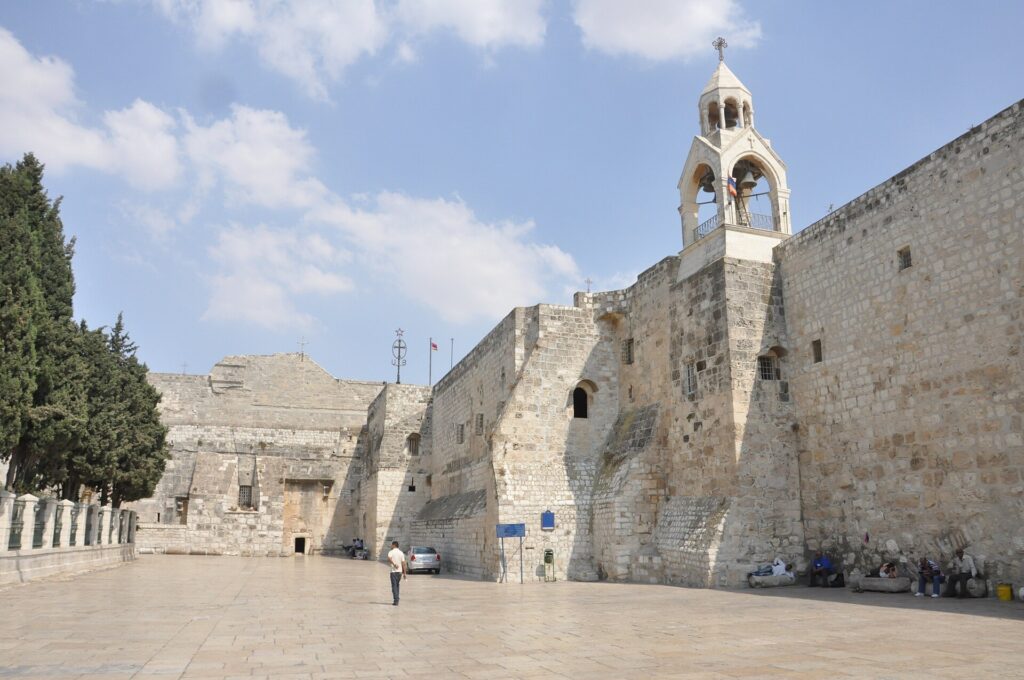
← Danh mục lịch sử thế giới / World history index
Lịch sử Palestine · History of Palestine
Tổng quan nghiên cứu song ngữ · Bilingual research overview · 25/09/2026
Tiếng Việt · English · Niên biểu / Timeline · Nguồn / Sources
Tiếng Việt
Vùng đất cổ
Jericho là một trong những khu định cư lâu đời nhất thế giới. Các thành phố Canaan, người Philistine (nguồn gốc tên gọi Palestine) và nhiều đế chế nối tiếp nhau để lại dấu ấn. Theo truyền thống Kitô giáo, Chúa Giêsu sinh ra ở Bethlehem. Sau cuộc chinh phục của người Ả Rập thế kỷ VII, tiếng Ả Rập và Hồi giáo trở nên phổ biến; Mái vòm Đá ở Jerusalem hoàn thành năm 691. Đế quốc Ottoman cai trị từ năm 1516 đến 1917.
Thời Ủy trị và Nakba
Dưới chế độ Ủy trị của Anh, chủ nghĩa dân tộc Ả Rập Palestine phát triển song song với nhập cư Do Thái; cuộc nổi dậy 1936–1939 bị đàn áp. Trong cuộc chiến năm 1948, khoảng 700.000 người Palestine chạy trốn hoặc bị trục xuất và nhiều làng mạc bị phá hủy — sự kiện được gọi là Nakba (thảm họa). Người tị nạn định cư tại các nước láng giềng; Bờ Tây do Jordan và Gaza do Ai Cập quản lý.
Chiếm đóng, tự trị và đấu tranh
Năm 1967, Israel chiếm Bờ Tây, Đông Jerusalem và Gaza. Tổ chức Giải phóng Palestine (PLO) trở thành đại diện chính trị chính. Sau phong trào Intifada lần thứ nhất (1987), Hiệp định Oslo năm 1993 lập nên Chính quyền Palestine, nhưng các khu định cư mở rộng và Intifada lần thứ hai (2000) làm tiến trình hòa bình đổ vỡ. Hamas kiểm soát Gaza từ năm 2007 và Gaza bị phong tỏa. Palestine là quốc gia quan sát viên không thành viên của Liên Hợp Quốc từ năm 2012. Cuộc chiến tại Gaza từ tháng 10/2023 gây ra hàng chục nghìn cái chết và thảm họa nhân đạo nghiêm trọng.
English
Ancient land
Jericho is among the world’s oldest settlements. Canaanite cities, the Philistines (the origin of the name Palestine) and a succession of empires left their mark. In Christian tradition, Jesus was born in Bethlehem. After the seventh-century Arab conquest, Arabic and Islam became predominant; Jerusalem’s Dome of the Rock was completed in 691. The Ottoman Empire ruled from 1516 to 1917.
The Mandate and the Nakba
Under the British Mandate, Palestinian Arab nationalism grew alongside Jewish immigration; the 1936–1939 revolt was suppressed. In the 1948 war about 700,000 Palestinians fled or were expelled and many villages were destroyed — the Nakba (catastrophe). Refugees settled in neighboring countries; the West Bank came under Jordan and Gaza under Egypt.
Occupation, self-rule and struggle
In 1967 Israel occupied the West Bank, East Jerusalem and Gaza. The Palestine Liberation Organization (PLO) became the main political representative. After the First Intifada (1987), the 1993 Oslo Accords created the Palestinian Authority, but settlement expansion and the Second Intifada (2000) broke down the peace process. Hamas has controlled Gaza since 2007, and Gaza has been under blockade. Palestine has been a UN non-member observer state since 2012. The war in Gaza from October 2023 has caused tens of thousands of deaths and a severe humanitarian catastrophe.
Niên biểu chọn lọc · Selected timeline
- 691 — Mái vòm Đá / Dome of the Rock
- 1948 — Nakba
- 1967 — Chiếm đóng / Occupation begins
- 1993 — Hiệp định Oslo / Oslo Accords
- 2012 — Quan sát viên LHQ / UN observer state
Nguồn và phương pháp · Sources and method
Bài tổng hợp và diễn giải; đối chiếu các nguồn dưới đây theo chủ đề. / An original interpretive synthesis; consult the following sources by topic.
- UNESCO World Heritage Centre — Birthplace of Jesus: Church of the Nativity and the Pilgrimage Route, Bethlehem (di sản / heritage).
- CIA World Factbook — archived background (niên biểu và bối cảnh / chronology and context; archival edition).
Ghi chú / Note: Tổng quan chọn lọc; các tranh luận và trải nghiệm địa phương cần đọc thêm tư liệu gốc cùng nghiên cứu chuyên ngành. / A selective overview; consult primary records and specialist scholarship for contested questions and local experiences.


.jpg)