 AIImpish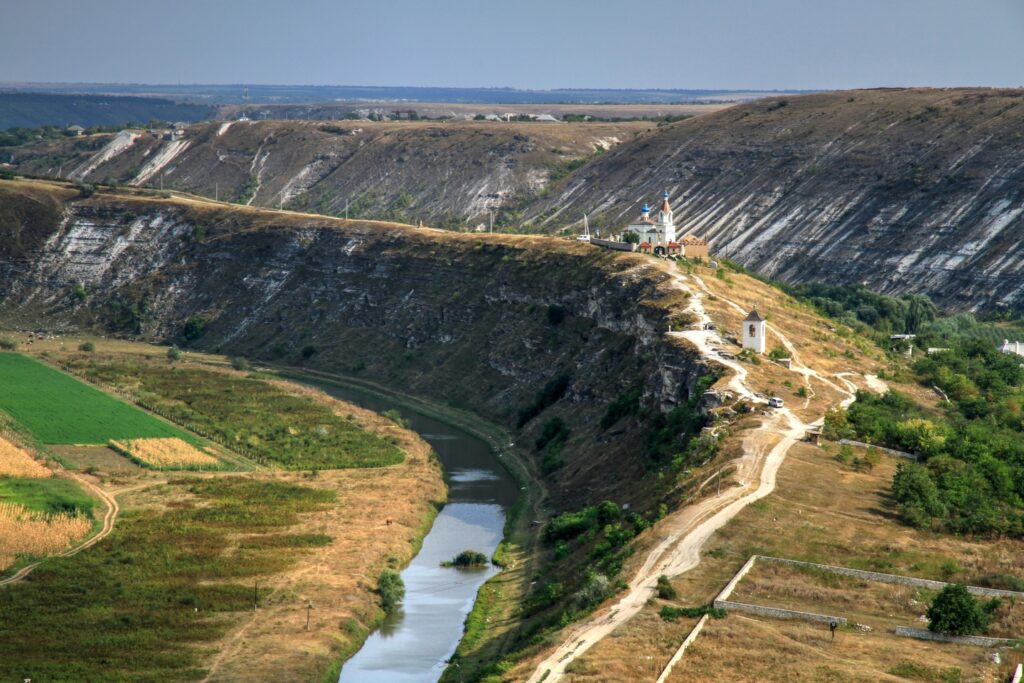
Lịch sử thế giới › Châu Âu · Europe › Moldova
Ảnh bìa / Cover photo: Alex Prodan md · Wikimedia Commons · CC BY-SA 4.0
Tóm tắt · In brief
Nằm giữa sông Prut và sông Dniester, Moldova là vùng đất từng thuộc Công quốc Moldavia của Ştefan Đại đế, rồi liên tục đổi chủ giữa Đế quốc Nga, Romania và Liên Xô trước khi trở thành một quốc gia độc lập năm 1991.
Wedged between the Prut and Dniester rivers, Moldova is the land of Stephen the Great’s medieval principality, a borderland repeatedly passed between the Russian Empire, Romania and the Soviet Union before emerging as an independent state in 1991.
⏳ Dấu mốc · Key dates🇻🇳 Tiếng Việt🇬🇧 English📚 Nguồn · Sources
Dấu mốc chính · Key dates
- 1359Thành lập Công quốc Moldavia / Principality of Moldavia founded
- 1812Nga sáp nhập Bessarabia / Russia annexes Bessarabia
- 1918Bessarabia hợp nhất với Romania / Bessarabia unites with Romania
- 1991Tuyên bố độc lập / Declaration of independence
- 2022Trở thành ứng viên EU / Becomes EU candidate country
Lịch sử Moldova
Người Dacia và Công quốc Moldavia
Thời cổ đại, vùng đất giữa sông Prut và Dniester là nơi sinh sống của người Getae và Dacia, rồi chịu ảnh hưởng của La Mã và làn sóng các dân tộc du mục như người Goth, Hung và Mông Cổ. Năm 1359, Bogdan I lập nên Công quốc Moldavia độc lập. Dưới triều Ştefan cel Mare (Ştefan Đại đế, 1457–1504), công quốc đạt đỉnh cao: ông chống lại Đế quốc Ottoman, Hungary và Ba Lan, đồng thời xây dựng hàng loạt tu viện và pháo đài. Những dấu tích như tu viện hang đá Orheiul Vechi và pháo đài Soroca bên bờ Dniester vẫn gợi nhắc thời kỳ vàng son ấy.
Chư hầu Ottoman và tỉnh Bessarabia của Nga
Sau cái chết của Ştefan, Moldavia dần trở thành chư hầu phải triều cống Đế quốc Ottoman từ thế kỷ XVI, dù vẫn giữ các vương công bản địa. Sau chiến tranh Nga – Thổ, Hiệp ước Bucharest năm 1812 trao nửa phía đông của công quốc, vùng Bessarabia, cho Đế quốc Nga. Suốt thế kỷ XIX, chính quyền Sa hoàng thúc đẩy Nga hóa trong hành chính và giáo dục, đồng thời đưa nhiều cộng đồng Ukraina, Do Thái, Bulgaria và Gagauz đến định cư. Trong khi đó, phần phía tây của Moldavia hợp nhất với Wallachia năm 1859, đặt nền móng cho nhà nước Romania hiện đại.
Từ Liên Xô đến Cộng hòa Moldova
Giữa hỗn loạn của Cách mạng Nga, Hội đồng Sfatul Țării tuyên bố hợp nhất Bessarabia với Romania năm 1918. Năm 1940, Liên Xô chiếm vùng này và lập nên Cộng hòa Xô viết Moldavia; thời hậu chiến chứng kiến nạn đói 1946–1947 và các đợt trục xuất hàng loạt. Phong trào dân tộc cuối thập niên 1980 khôi phục chữ Latinh cho tiếng bản địa, và Moldova tuyên bố độc lập ngày 27 tháng 8 năm 1991. Xung đột năm 1992 ở Transnistria để lại một vùng ly khai chưa được giải quyết. Moldova nộp đơn gia nhập Liên minh châu Âu năm 2022 và được công nhận là nước ứng viên cùng năm.
History of Moldova
Dacians and the Principality of Moldavia
In antiquity the land between the Prut and Dniester was home to Getae and Dacians, later touched by Rome and by successive waves of Goths, Huns and Mongols. In 1359 Bogdan I founded the independent Principality of Moldavia. Under Stephen the Great (1457–1504) it reached its zenith: he fought the Ottoman Empire, Hungary and Poland while building a string of monasteries and fortresses. Relics such as the cave monastery of Orheiul Vechi and the fortress of Soroca on the Dniester still evoke that golden age.
Ottoman vassal and Russian Bessarabia
After Stephen’s death Moldavia gradually became a tribute-paying vassal of the Ottoman Empire from the sixteenth century, though it kept its native princes. Following a Russo-Turkish war, the Treaty of Bucharest in 1812 handed the principality’s eastern half, Bessarabia, to the Russian Empire. Through the nineteenth century tsarist officials pushed Russification in administration and schooling, while settling Ukrainian, Jewish, Bulgarian and Gagauz communities in the region. Meanwhile, western Moldavia united with Wallachia in 1859, laying the foundations of modern Romania.
From Soviet republic to Republic of Moldova
Amid the chaos of the Russian Revolution, the Sfatul Țării council voted in 1918 to unite Bessarabia with Romania. In 1940 the Soviet Union seized the region and created the Moldavian Soviet Socialist Republic; the post-war years brought the famine of 1946–1947 and mass deportations. A national movement in the late 1980s restored the Latin script to the local language, and Moldova declared independence on 27 August 1991. A 1992 conflict in Transnistria left a breakaway region that remains unresolved. Moldova applied to join the European Union in 2022 and was granted candidate status that same year.
📚 Nguồn đối chiếu · Sources
Bài tổng quan chọn lọc do AIImpish biên soạn; với các vấn đề còn tranh luận, nên đọc thêm tư liệu gốc và nghiên cứu chuyên ngành. / A selective overview by AIImpish; consult primary records and specialist scholarship on contested questions.
Khám phá tiếp · Keep exploring
Đọc lịch sử các nước khác ở Châu Âu · Europe hoặc mở danh mục 195 quốc gia →