 AIImpish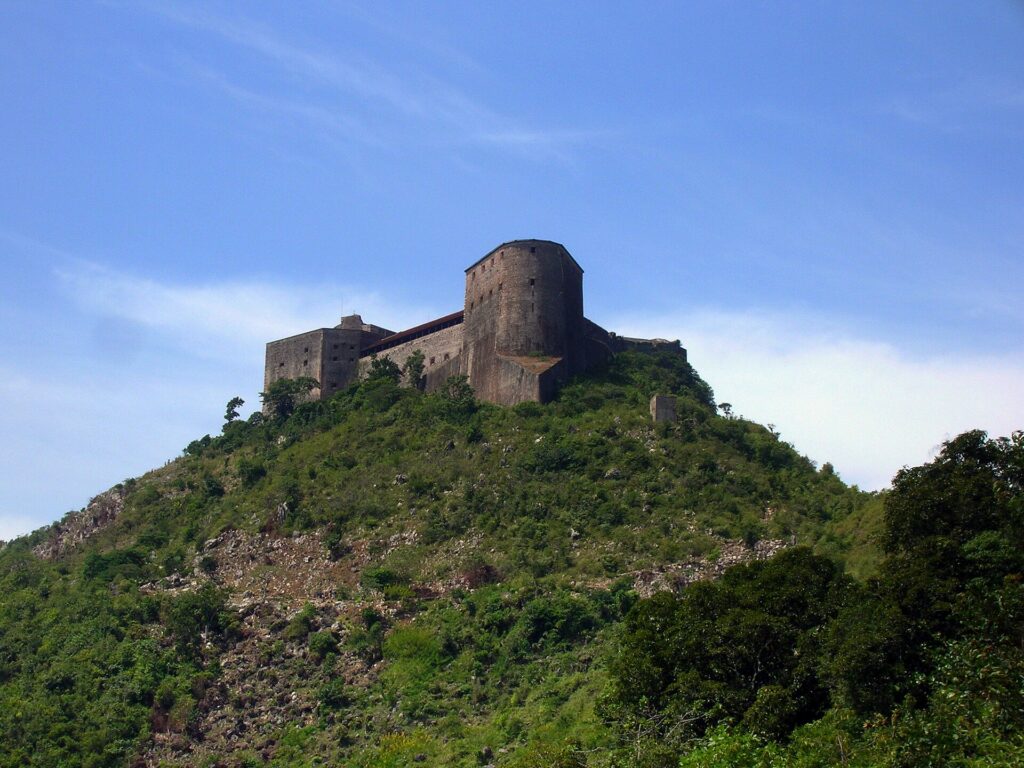
Lịch sử thế giới › Châu Mỹ · Americas › Haiti
Ảnh bìa / Cover photo: Rémi Kaupp · Wikimedia Commons · CC BY-SA 3.0
Tóm tắt · In brief
Từ cuộc khởi nghĩa nô lệ duy nhất trong lịch sử lập nên một quốc gia, Haiti trở thành nước cộng hòa da đen độc lập đầu tiên trên thế giới năm 1804 – một chiến thắng vang dội nhưng phải trả giá bằng hai thế kỷ nợ nần, can thiệp và bất ổn.
Born from the only slave revolt in history to found a nation, Haiti became the world’s first independent Black republic in 1804 – a thunderous victory whose price was two centuries of debt, foreign intervention and political turmoil.
⏳ Dấu mốc · Key dates🇻🇳 Tiếng Việt🇬🇧 English📚 Nguồn · Sources
Dấu mốc chính · Key dates
- 1492Colombo đặt chân lên Hispaniola / Columbus lands on Hispaniola
- 1697Hiệp ước Ryswick trao miền tây đảo cho Pháp / Treaty of Ryswick cedes western Hispaniola to France
- 1791Khởi nghĩa nô lệ bùng nổ / Slave uprising begins
- 1804Tuyên bố độc lập / Declaration of independence
- 2010Động đất tàn phá Port-au-Prince / Earthquake devastates Port-au-Prince
Lịch sử Haiti
Đảo Ayiti và thuộc địa Saint-Domingue
Trước khi người châu Âu đến, người Taíno gọi hòn đảo là Ayiti, “vùng đất núi non”, và sống trong các tiểu vương quốc do thủ lĩnh cacique cai quản. Sau khi Colombo cập bến năm 1492, lao dịch, bạo lực và dịch bệnh đã gần như xóa sổ cư dân bản địa chỉ trong vài thập kỷ. Thế kỷ XVII, hải tặc và người định cư Pháp bám trụ ở miền tây, và năm 1697 Tây Ban Nha công nhận vùng này thuộc Pháp. Saint-Domingue nhanh chóng trở thành thuộc địa giàu nhất vùng Caribe, sản xuất lượng lớn đường và cà phê cho châu Âu, dựa trên sức lao động của hàng trăm nghìn người châu Phi bị bắt làm nô lệ trong điều kiện vô cùng tàn khốc.
Cách mạng Haiti
Tháng 8 năm 1791, sau buổi lễ Bois Caïman theo truyền thống, nô lệ ở đồng bằng phía bắc nổi dậy, mở đầu cuộc cách mạng kéo dài hơn một thập kỷ. Toussaint Louverture, một cựu nô lệ có tài quân sự và chính trị, dần nắm quyền kiểm soát toàn thuộc địa và ban hành hiến pháp năm 1801. Khi Napoléon gửi đạo quân viễn chinh nhằm khôi phục chế độ nô lệ, Toussaint bị bắt và chết trong ngục ở Pháp, nhưng Jean-Jacques Dessalines tiếp tục cuộc chiến. Sau trận Vertières năm 1803, quân Pháp rút lui, và ngày 1 tháng 1 năm 1804 Haiti tuyên bố độc lập, lấy lại tên gọi Taíno cổ xưa cho đất nước mới.
Độc lập, nợ nần và thử thách hiện đại
Nền độc lập bị các cường quốc cô lập; năm 1825 Pháp buộc Haiti bồi thường một khoản tiền khổng lồ để được công nhận, gánh nặng kéo dài hàng chục năm. Vua Henri Christophe để lại Thành Laferrière và Cung điện Sans-Souci ở miền bắc, nay là Di sản Thế giới. Mỹ chiếm đóng Haiti từ 1915 đến 1934, rồi chế độ độc tài gia đình Duvalier cai trị từ 1957 đến 1986. Các thập kỷ sau chứng kiến đảo chính, bầu cử tranh chấp và các phái bộ Liên Hợp Quốc. Trận động đất năm 2010 cướp đi sinh mạng của hàng trăm nghìn người, và vụ ám sát Tổng thống Jovenel Moïse năm 2021 mở ra giai đoạn bạo lực băng nhóm nghiêm trọng.
History of Haiti
Ayiti and the colony of Saint-Domingue
Before Europeans arrived, the Taíno called the island Ayiti, “land of mountains”, and lived in chiefdoms ruled by caciques. After Columbus landed in 1492, forced labour, violence and disease all but wiped out the Indigenous population within a few decades. In the seventeenth century buccaneers and French settlers took hold of the west, and in 1697 Spain recognised the territory as French. Saint-Domingue soon became the richest colony in the Caribbean, supplying Europe with vast quantities of sugar and coffee, all built on the labour of hundreds of thousands of enslaved Africans held in brutal conditions.
The Haitian Revolution
In August 1791, following the traditional Bois Caïman ceremony, enslaved people on the northern plain rose up, launching a revolution that lasted more than a decade. Toussaint Louverture, a formerly enslaved man of great military and political skill, gradually took control of the whole colony and issued a constitution in 1801. When Napoleon sent an expedition to restore slavery, Toussaint was captured and died in a French prison, but Jean-Jacques Dessalines carried on the fight. After the Battle of Vertières in 1803 the French withdrew, and on 1 January 1804 Haiti declared independence, reviving the old Taíno name for the new nation.
Independence, debt and modern trials
The new state was isolated by the great powers; in 1825 France forced Haiti to pay an enormous indemnity in exchange for recognition, a burden that lasted for decades. King Henri Christophe left behind the Citadelle Laferrière and the Sans-Souci Palace in the north, now a World Heritage Site. The United States occupied Haiti from 1915 to 1934, and the Duvalier family dictatorship ruled from 1957 to 1986. Later decades brought coups, disputed elections and UN missions. The 2010 earthquake killed hundreds of thousands of people, and the 2021 assassination of President Jovenel Moïse opened a period of severe gang violence.
📚 Nguồn đối chiếu · Sources
- Encyclopaedia Britannica — Haiti
- Wikipedia — History of Haiti
- UNESCO — National History Park – Citadel, Sans Souci, Ramiers
Bài tổng quan chọn lọc do AIImpish biên soạn; với các vấn đề còn tranh luận, nên đọc thêm tư liệu gốc và nghiên cứu chuyên ngành. / A selective overview by AIImpish; consult primary records and specialist scholarship on contested questions.
Khám phá tiếp · Keep exploring
Đọc lịch sử các nước khác ở Châu Mỹ · Americas hoặc mở danh mục 195 quốc gia →