 AIImpish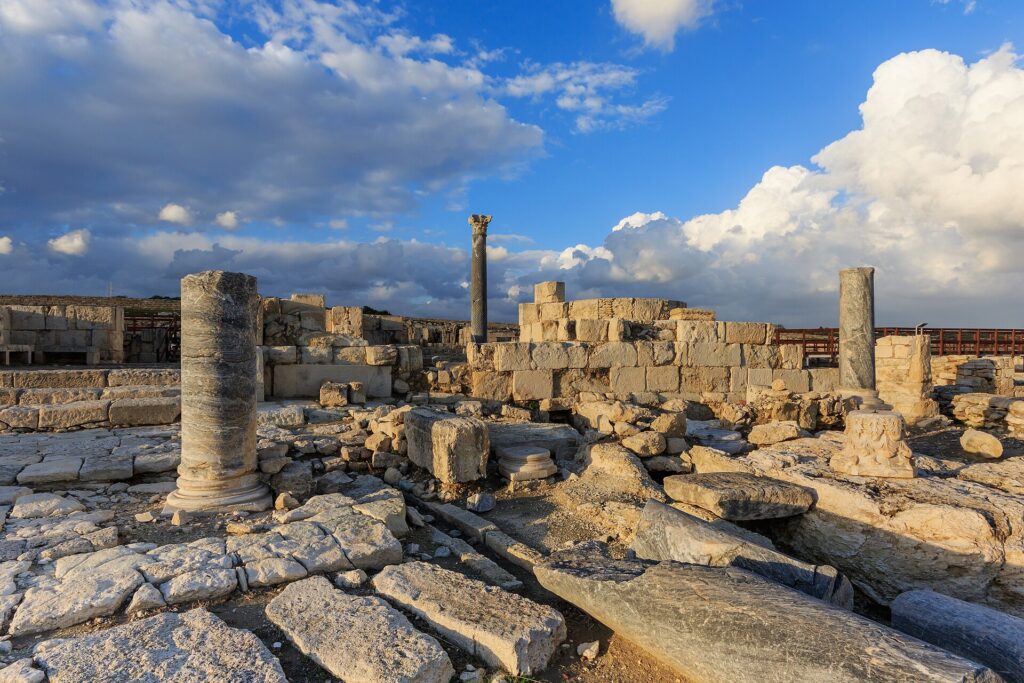
Lịch sử thế giới › Châu Á · Asia › Síp
Ảnh bìa / Cover photo: A.Savin · Wikimedia Commons · FAL
Tóm tắt · In brief
Hòn đảo được cho là nơi nữ thần Aphrodite sinh ra và từng nổi tiếng với mỏ đồng này đã lần lượt thuộc về người Hy Lạp, La Mã, Byzantine, Thập tự quân, Venezia, Ottoman và Anh trước khi trở thành một quốc gia độc lập vẫn còn chia cắt.
Mythical birthplace of Aphrodite and famed in antiquity for its copper, Cyprus passed through Greek, Roman, Byzantine, Crusader, Venetian, Ottoman and British hands before becoming an independent state that remains divided today.
⏳ Dấu mốc · Key dates🇻🇳 Tiếng Việt🇬🇧 English📚 Nguồn · Sources
Dấu mốc chính · Key dates
- 58 TCN / BCELa Mã sáp nhập đảo Síp / Rome annexes Cyprus
- 1191Richard Tim Sư Tử chiếm đảo / Richard the Lionheart seizes the island
- 1571Đế quốc Ottoman chinh phục / Ottoman conquest
- 1960Độc lập khỏi Anh / Independence from Britain
- 1974Đảo bị chia cắt / The island is divided
Lịch sử Síp
Đồng, các vương quốc thành bang và Aphrodite
Làng đá thời đồ đá mới Choirokoitia cho thấy con người đã định cư ở Síp từ rất sớm. Thời đồ đồng, các mỏ đồng của đảo nổi tiếng khắp Địa Trung Hải. Người Hy Lạp Mycenae đến định cư, còn người Phoenicia lập thành Kition; đảo chia thành nhiều vương quốc thành bang, chịu ảnh hưởng lần lượt của Assyria, Ai Cập và Ba Tư. Theo thần thoại, nữ thần Aphrodite sinh ra từ bọt biển gần Paphos, nơi có đền thờ bà nổi tiếng. Sau Alexander Đại đế, nhà Ptolemy cai trị cho đến khi La Mã sáp nhập năm 58 TCN; các sứ đồ Phaolô và Barnaba được cho là đã truyền giáo trên đảo.
Từ Byzantine đến Ottoman
Trong nhiều thế kỷ, Síp là một tỉnh của Byzantine, dù phải chịu những cuộc tấn công của người Ả Rập. Năm 1191, trên đường đi Thập tự chinh, Richard Tim Sư Tử chiếm đảo, rồi đảo được chuyển cho Guy de Lusignan. Vương quốc Lusignan kéo dài khoảng ba thế kỷ, để lại những nhà thờ Gothic lộng lẫy ở Nicosia và Famagusta cùng các lâu đài như Kolossi. Năm 1489, Venezia nắm quyền và xây dựng tường thành kiên cố. Năm 1570–1571, quân Ottoman chiếm đảo sau cuộc vây hãm Famagusta khốc liệt. Năm 1878, Anh tiếp quản quyền quản lý đảo, sáp nhập năm 1914 và biến Síp thành thuộc địa hoàng gia năm 1925.
Độc lập và một hòn đảo chia đôi
Từ năm 1955, tổ chức EOKA tiến hành đấu tranh vũ trang đòi chấm dứt ách cai trị của Anh và hợp nhất với Hy Lạp, trong khi nhiều người Síp gốc Thổ ủng hộ phân chia. Năm 1960, Síp độc lập với Tổng thống Makarios III, nhưng bạo lực giữa hai cộng đồng năm 1963–1964 khiến Liên Hợp Quốc phải gửi lực lượng gìn giữ hòa bình. Năm 1974, sau cuộc đảo chính do chính quyền quân sự Hy Lạp hậu thuẫn, Thổ Nhĩ Kỳ đưa quân vào đảo; rất nhiều người của cả hai cộng đồng phải rời bỏ quê hương. Miền bắc tuyên bố một nhà nước năm 1983 chỉ được Thổ Nhĩ Kỳ công nhận. Síp gia nhập Liên minh châu Âu năm 2004.
History of Cyprus
Copper, city-kingdoms and Aphrodite
The Neolithic stone village of Choirokoitia shows that people settled on Cyprus very early. In the Bronze Age the island’s copper mines were renowned across the Mediterranean. Mycenaean Greeks settled there, while Phoenicians founded Kition; the island was divided into city-kingdoms that fell under the influence of Assyria, Egypt and Persia in turn. According to myth, Aphrodite rose from the sea foam near Paphos, home to her celebrated sanctuary. After Alexander the Great, the Ptolemies ruled until Rome annexed Cyprus in 58 BCE; the apostles Paul and Barnabas are said to have preached on the island.
From Byzantium to the Ottomans
For centuries Cyprus was a Byzantine province, though it endured repeated Arab raids. In 1191, on his way to the Crusade, Richard the Lionheart seized the island, which then passed to Guy de Lusignan. The Lusignan kingdom lasted around three centuries, leaving magnificent Gothic cathedrals in Nicosia and Famagusta and castles such as Kolossi. In 1489 Venice took control and built formidable fortifications. In 1570–1571 Ottoman forces conquered the island after a fierce siege of Famagusta. In 1878 Britain took over its administration, annexed it in 1914 and made Cyprus a crown colony in 1925.
Independence and a divided island
From 1955 the EOKA organization waged an armed campaign to end British rule and unite with Greece, while many Turkish Cypriots favoured partition. Cyprus became independent in 1960 under President Makarios III, but intercommunal violence in 1963–1964 led the United Nations to deploy peacekeepers. In 1974, after a coup backed by the Greek military junta, Turkey sent troops to the island; very large numbers of people from both communities were displaced from their homes. The north declared a state in 1983 that only Turkey recognizes. Cyprus joined the European Union in 2004.
📚 Nguồn đối chiếu · Sources
Bài tổng quan chọn lọc do AIImpish biên soạn; với các vấn đề còn tranh luận, nên đọc thêm tư liệu gốc và nghiên cứu chuyên ngành. / A selective overview by AIImpish; consult primary records and specialist scholarship on contested questions.
Khám phá tiếp · Keep exploring
Đọc lịch sử các nước khác ở Châu Á · Asia hoặc mở danh mục 195 quốc gia →