 AIImpish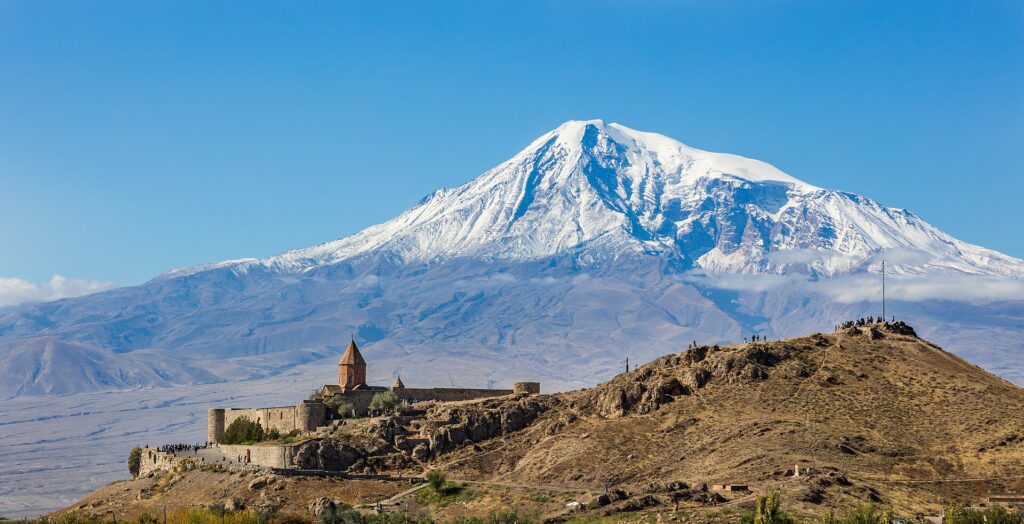
Lịch sử thế giới › Châu Á · Asia › Armenia
Ảnh bìa / Cover photo: Diego Delso · Wikimedia Commons · CC BY-SA 4.0
Tóm tắt · In brief
Dưới bóng núi Ararat, Armenia là một trong những quốc gia đầu tiên trên thế giới tiếp nhận Kitô giáo làm quốc giáo, sở hữu bảng chữ cái riêng từ thế kỷ 5 và một bản sắc bền bỉ vượt qua hàng loạt đế quốc cũng như thảm kịch diệt chủng.
In the shadow of Mount Ararat, Armenia was among the first nations to adopt Christianity as a state religion, has written in its own alphabet since the 5th century, and kept a resilient identity through successive empires and the catastrophe of genocide.
⏳ Dấu mốc · Key dates🇻🇳 Tiếng Việt🇬🇧 English📚 Nguồn · Sources
Dấu mốc chính · Key dates
- 782 TCN / BCEPháo đài Erebuni được xây dựng / Erebuni fortress founded
- 301Kitô giáo trở thành quốc giáo / Christianity becomes the state religion
- 405Mesrop Mashtots sáng tạo bảng chữ cái Armenia / Mesrop Mashtots creates the Armenian alphabet
- 1915Diệt chủng người Armenia / Armenian Genocide
- 1991Độc lập khỏi Liên Xô / Independence from the Soviet Union
Lịch sử Armenia
Từ Urartu đến Tigranes Đại đế
Trên cao nguyên quanh hồ Van, vương quốc Urartu hưng thịnh vào thiên niên kỷ 1 TCN; năm 782 TCN, vua Argishti I xây pháo đài Erebuni, tiền thân của thủ đô Yerevan ngày nay. Sau các triều đại Orontid và Artaxiad, Armenia đạt tầm vóc lớn nhất dưới thời Tigranes Đại đế ở thế kỷ 1 TCN, khi lãnh thổ trải dài từ biển Caspi đến Địa Trung Hải. Tuy nhiên, vị trí chiến lược cũng khiến vương quốc nhiều lần trở thành vùng tranh chấp giữa La Mã và Parthia, rồi giữa Byzantine và Ba Tư Sasanid, một thế kẹt định hình lịch sử Armenia suốt nhiều thế kỷ.
Đức tin, chữ viết và những vương quốc thời trung cổ
Theo truyền thống, năm 301 vua Tiridates III được Thánh Gregory Người Khai Sáng cải đạo, biến Armenia thành quốc gia đầu tiên chính thức theo Kitô giáo; nhà thờ Etchmiadzin trở thành trung tâm tôn giáo. Khoảng năm 405, tu sĩ Mesrop Mashtots tạo ra bảng chữ cái Armenia, mở đầu một nền văn học phong phú. Trận Avarayr năm 451 chống lại Ba Tư trở thành biểu tượng bảo vệ đức tin. Vương quốc Bagratid với kinh đô Ani, “thành phố một nghìn lẻ một nhà thờ”, phồn thịnh vào thế kỷ 10–11 trước khi rơi vào tay người Seljuk. Sau đó, Vương quốc Armenia Cilicia tồn tại ven Địa Trung Hải đến năm 1375.
Diệt chủng, thời kỳ Xô viết và độc lập
Nhiều thế kỷ, Armenia bị chia giữa Đế quốc Ottoman và Ba Tư; năm 1828, Đông Armenia thuộc về Đế quốc Nga. Năm 1915, chính quyền Ottoman tiến hành trục xuất và thảm sát hàng loạt, khiến khoảng một triệu người Armenia hoặc hơn thiệt mạng, sự kiện được nhiều quốc gia và giới sử học công nhận là diệt chủng. Sau nền cộng hòa ngắn ngủi 1918–1920, Armenia trở thành một nước cộng hòa Xô viết. Trận động đất Spitak năm 1988 gây tổn thất nặng nề. Độc lập năm 1991, Armenia trải qua các cuộc xung đột với Azerbaijan về Nagorno-Karabakh; sau chiến dịch năm 2023, hầu hết người Armenia ở vùng này đã rời đi.
History of Armenia
From Urartu to Tigranes the Great
On the highlands around Lake Van, the kingdom of Urartu flourished in the 1st millennium BCE; in 782 BCE King Argishti I built the fortress of Erebuni, forerunner of today’s capital, Yerevan. After the Orontid and Artaxiad dynasties, Armenia reached its greatest extent under Tigranes the Great in the 1st century BCE, when its territory stretched from the Caspian Sea to the Mediterranean. Yet its strategic position repeatedly made the kingdom a battleground between Rome and Parthia, and later between Byzantium and Sasanian Persia – a squeeze that shaped Armenian history for centuries.
Faith, script and medieval kingdoms
According to tradition, in 301 King Tiridates III was converted by Saint Gregory the Illuminator, making Armenia the first state to officially embrace Christianity; the cathedral of Etchmiadzin became its spiritual centre. Around 405 the monk Mesrop Mashtots devised the Armenian alphabet, launching a rich literary tradition. The Battle of Avarayr against Persia in 451 became a lasting symbol of defending the faith. The Bagratid kingdom, with its capital at Ani – the “city of 1,001 churches” – flourished in the 10th and 11th centuries before falling to the Seljuks. The Armenian Kingdom of Cilicia then endured on the Mediterranean coast until 1375.
Genocide, Soviet rule and independence
For centuries Armenia was divided between the Ottoman Empire and Persia; in 1828 Eastern Armenia passed to the Russian Empire. In 1915 the Ottoman authorities carried out mass deportations and massacres in which around a million Armenians or more perished, events recognized as genocide by many countries and historians. After a short-lived republic in 1918–1920, Armenia became a Soviet republic. The Spitak earthquake of 1988 caused devastating losses. Independent since 1991, Armenia has fought conflicts with Azerbaijan over Nagorno-Karabakh; after Azerbaijan’s 2023 offensive, nearly all the region’s Armenians left.
📚 Nguồn đối chiếu · Sources
Bài tổng quan chọn lọc do AIImpish biên soạn; với các vấn đề còn tranh luận, nên đọc thêm tư liệu gốc và nghiên cứu chuyên ngành. / A selective overview by AIImpish; consult primary records and specialist scholarship on contested questions.
Khám phá tiếp · Keep exploring
Đọc lịch sử các nước khác ở Châu Á · Asia hoặc mở danh mục 195 quốc gia →