 AIImpish
Ngôn ngữ khác / Other languages — bản dịch tự động / automatic translation
← Lịch sử thế giới / World history
AIIMPISH · HỒ SƠ LỊCH SỬ
Ireland · Ireland
Lịch sử hòn đảo, quyền lực Anh, chia cắt và nhà nước Ireland hiện đại. / The island’s history, British rule, partition and the modern Irish state.
Tiếng Việt
Trước nhà nước hiện đại
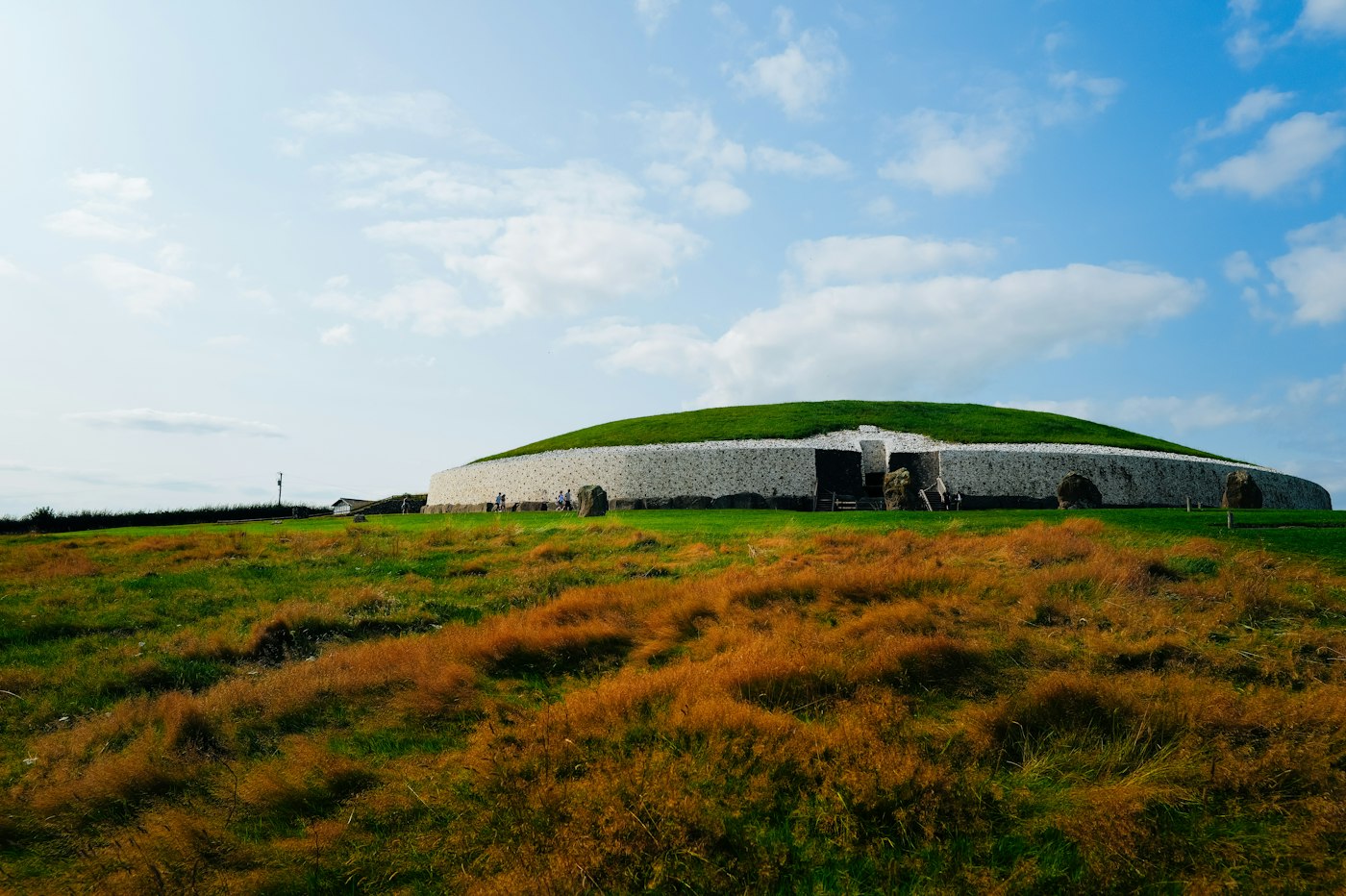
Quần thể Brú na Bóinne với Newgrange, Knowth và Dowth cho thấy chiều sâu tiền sử của hòn đảo, qua các công trình có chức năng tín ngưỡng và xã hội. Những cộng đồng nói tiếng Gaelic, Kitô giáo, các đô thị Bắc Âu và sự hiện diện Norman về sau tạo nhiều lớp văn hóa. Lịch sử của hòn đảo Ireland rộng hơn lịch sử của quốc gia Ireland hiện nay. [1] [2]
Quyền lực Anh và nạn đói
Sự mở rộng quyền lực Anh diễn ra qua chinh phục, định cư, luật pháp và tranh chấp đất đai. Nạn đói lớn giữa thế kỷ XIX gây tử vong và di cư trên quy mô rất lớn, tạo những cộng đồng Ireland ở nước ngoài. Khi nghiên cứu giai đoạn này, cần đặt mất mùa trong bối cảnh chế độ sở hữu đất, nghèo đói và phản ứng chính sách, thay vì xem đó chỉ là một thiên tai. [1]
Độc lập và nội chiến
Khởi nghĩa Phục sinh năm 1916 và chiến tranh giành độc lập tạo bước ngoặt. Hiệp ước Anh–Ireland năm 1921 dẫn đến Nhà nước Tự do Ireland, thành lập ngày 6 tháng 12 năm 1922. Tranh cãi về hiệp ước góp phần gây nội chiến 1922–1923; sáu hạt ở phía bắc ở lại Vương quốc Anh. Nước Ireland trở thành cộng hòa và rời Khối Thịnh vượng chung năm 1949. [1] [3]
Hợp tác châu Âu và tiến trình hòa bình
Ireland gia nhập Cộng đồng châu Âu năm 1973. Tăng trưởng, di cư và khủng hoảng tài chính sau năm 2008 làm thay đổi xã hội. Hiệp định Belfast/Thứ Sáu Tốt Lành năm 1998 tạo khuôn khổ hòa bình và hợp tác liên quan đến Bắc Ireland. Cần phân biệt nhà nước Ireland, hòn đảo Ireland và Bắc Ireland để tránh nhầm lẫn về lãnh thổ và thiết chế. [1]
English
Before the modern state
Brú na Bóinne, including Newgrange, Knowth and Dowth, reveals the island’s prehistoric depth through monuments with religious and social functions. Gaelic-speaking communities, Christianity, Norse towns and later Norman settlement added cultural layers. The history of the island is broader than that of today’s Irish state. [1] [2]
British power and famine
English and British power expanded through conquest, settlement, law and land disputes. The Great Famine of the mid-nineteenth century caused mass death and emigration, creating large Irish communities overseas. Crop failure needs to be studied alongside landholding, poverty and policy responses, rather than as a natural disaster alone. [1]
Independence and civil war
The 1916 Easter Rising and the independence war were turning points. The 1921 Anglo-Irish Treaty led to the Irish Free State, established on 6 December 1922. Disputes over the treaty contributed to the 1922–1923 civil war; six northern counties remained in the United Kingdom. Ireland became a republic and left the Commonwealth in 1949. [1] [3]
Europe and the peace process
Ireland joined the European Community in 1973. Growth, migration and the financial crisis after 2008 transformed society. The 1998 Belfast/Good Friday Agreement provided a framework for peace and cooperation concerning Northern Ireland. Distinguishing the Irish state, the island and Northern Ireland is essential for understanding territory and institutions. [1]
Niên biểu chọn lọc / Selected timeline
| Mốc / Date | Sự kiện / Event |
|---|---|
| 1916 | Khởi nghĩa Phục sinh Easter Rising |
| 1921; 1922 | Hiệp ước; Nhà nước Tự do Treaty; Free State established |
| 1922–1923 | Nội chiến Civil war |
| 1949 | Cộng hòa Republic |
| 1973 | Gia nhập Cộng đồng châu Âu Joined EC |
| 1998 | Hiệp định Belfast/Thứ Sáu Tốt Lành Belfast/Good Friday Agreement |
Nguồn đối chiếu / Sources
- CIA World Factbook — ei. Bối cảnh lịch sử hiện đại / Modern historical background.
- UNESCO — Brú na Bóinne. Di sản và các lớp lịch sử / Heritage and historical layers.
- Government of Ireland — Statehood and League of Nations centenary. Nhà nước Tự do Ireland ra đời năm 1922 / Establishment of the Irish Free State in 1922.
Biên soạn ngày 23-09-2026. Hồ sơ tổng quan này ưu tiên những mốc đã xác định; nghiên cứu sâu cần đối chiếu thêm tư liệu gốc, khảo cổ và các công trình chuyên ngành. Bản Factbook là dữ liệu lưu trữ, không phải nguồn tin hiện thời. / Compiled 23 September 2026. This overview is a starting point for research using primary records, archaeology and specialized scholarship. The Factbook is archival, not a current-affairs source.